


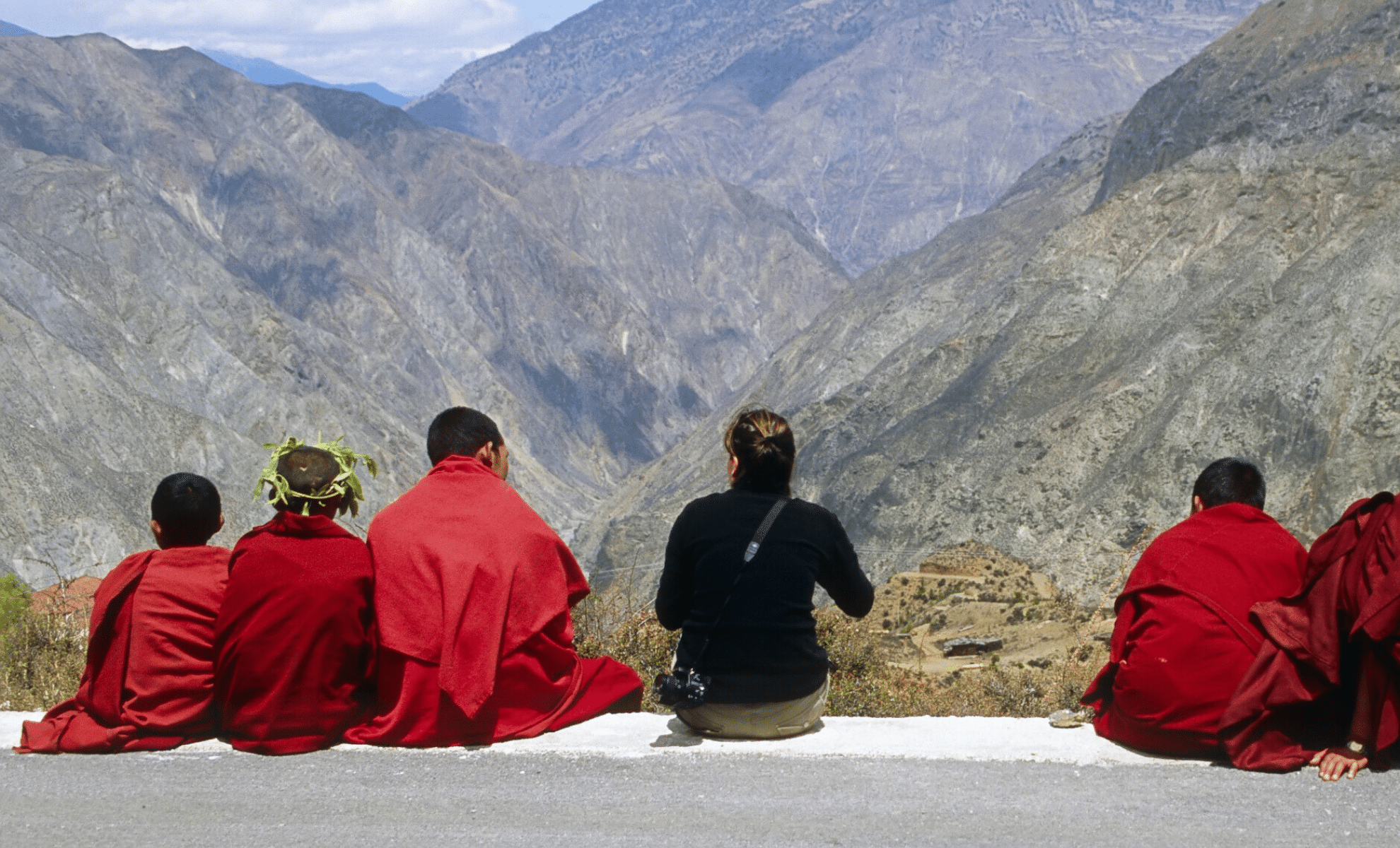
This Surprising Genetic Trait Is Helping Tibetans Evolve with Less Oxygen at 12,000 Feet
On the Tibetan Plateau, human beings are undergoing fascinating biological changes that are shaped by the harsh, low-oxygen environment. Over thousands of years, populations living at these high altitudes have adapted to survive and thrive despite the thin air. Recent research, published in the Proceedings of the National Academy of Sciences, sheds light on how these populations have evolved and the implications for our understanding of human evolution.
The Mysteries of High-Altitude Adaptation
The Tibetan Plateau, with its vast, elevated terrain, is one of Earth’s most extreme environments. At altitudes above 3,500 meters, the air contains less oxygen, a condition known as hypoxia, that can lead to fatigue, dizziness, and in extreme cases, life-threatening conditions like altitude sickness. Yet, the people who live in these regions, such as the Tibetans, have developed remarkable biological traits that allow them to live and reproduce in these challenging conditions.
In her research, anthropologist Cynthia Beall from Case Western Reserve University emphasizes the severity of these adaptations.
“Adaptation to high-altitude hypoxia is fascinating because the stress is severe, experienced equally by everyone at a given altitude, and quantifiable,” she told ScienceAlert.
This gives us insight into how evolution works on a biological level when humans are exposed to extreme stressors over many generations.
These adaptations are not only about surviving the lack of oxygen; they also involve reproductive success. The body of research, including the latest studies on Tibetan women, reveals that women with specific physiological traits—such as moderate hemoglobin levels and high oxygen saturation—are more likely to have multiple live births. This provides a measurable example of natural selection in action.
Unveiling the Role of Hemoglobin in High-Altitude Survival
Hemoglobin, the protein responsible for carrying oxygen in the blood, plays a crucial role in these adaptations. Tibetans living at these high altitudes have evolved to optimize how oxygen is transported without overburdening their cardiovascular systems. Research led by Beall and her colleagues in 2024 shows that Tibetan women who are more reproductively successful—those who have multiple live births—have specific oxygen transport traits that give them an advantage in this low-oxygen environment.
Beall notes, “Previously we knew that lower hemoglobin was beneficial, now we understand that an intermediate value has the highest benefit. We knew that higher oxygen saturation of hemoglobin was beneficial, now we understand that the higher the saturation the more beneficial. The number of live births quantifies the benefits.”
Interestingly, the research also revealed that lower levels of certain oxygen transport traits, when balanced with higher values in other areas, still allowed women to have successful pregnancies. This unexpected result challenges previous assumptions about how adaptations to low-oxygen environments work. It also underscores the complexity of human evolution, where a single trait may not always determine an individual’s survival or reproductive success.
Published in the Proceedings of the National Academy of Sciences, this research provides a detailed look at how the human body can evolve to meet extreme environmental demands. The ongoing selection pressure at these high altitudes offers a clear example of how evolution continues to shape our species.
The Role of Blood Flow and Heart Function
Beyond hemoglobin and oxygen saturation, other physiological changes are at play in Tibetan populations. One of the most striking findings from the research is the role of blood flow and heart size. Beall’s team discovered that Tibetan women with the most successful reproductive outcomes had higher blood flow into their lungs, enabling their bodies to extract more oxygen from the air they breathe. Moreover, these women also had wider-than-average left ventricles, the heart chamber responsible for pumping oxygenated blood throughout the body.
This enhanced cardiovascular function appears to be another key adaptation that allows people in this high-altitude region to thrive. The combination of these traits helps optimize oxygen delivery, preventing the stress on the body that typically accompanies high-altitude living. These findings further support the notion that evolution is an ongoing process, where multiple physiological systems work in harmony to ensure survival in extreme environments.
As Beall points out, “This is a case of ongoing natural selection,” underscoring the dynamic nature of human evolution. As populations are exposed to environmental pressures over generations, traits that enhance survival in those conditions become more prevalent.
Culture and Biology Intertwined
While biological adaptations are key to survival in high-altitude environments, cultural factors also play a significant role in the reproductive success of women in these regions. In Nepal, for instance, women who start reproducing at a younger age and have long marriages tend to have more live births, which boosts their overall reproductive success. Cultural practices like early marriage and larger family structures likely interact with these biological traits to increase the chances of passing on advantageous genes.
Nonetheless, it’s clear that biological factors are still the most influential in shaping how populations adapt to high-altitude living. Beall’s research highlights how certain physiological traits are strongly correlated with reproductive success, revealing the complex interplay between culture and biology in the ongoing process of natural selection.
First Appeared on
Source link






