


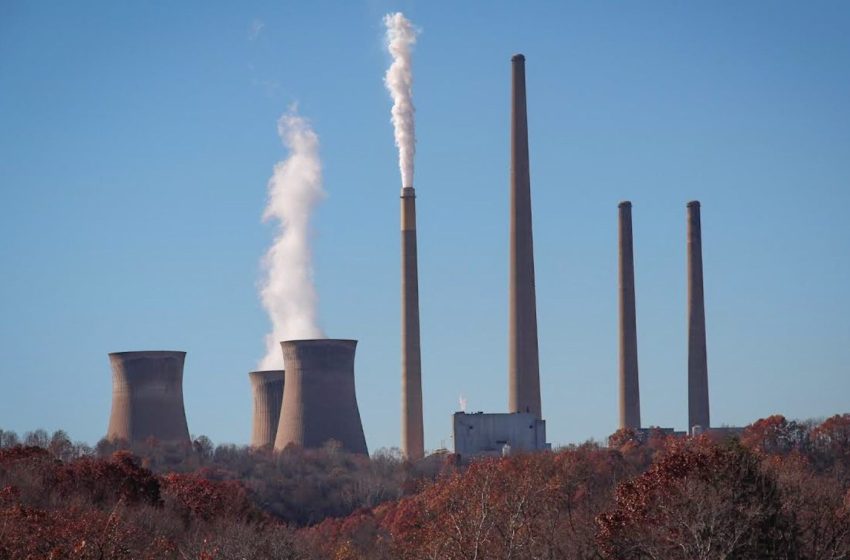
Trump adminstration rolls back mercury rules for coal-fired power plants
The Trump administration announced it is rolling back a Biden-era rule on power plant mercury emissions, a neurotoxin that impairs cognitive development in young children.
The rule mainly affects the country’s fleet of coal-fired electricity-generating stations.
The Mercury and Air Toxics Standard, or MATS, was created under the Obama administration in 2012 and reduced power plant releases of mercury and other pollution by 90 percent. A 2024 Biden-era update mandated even more cuts to pollution using technology already in use. It also required plants to install monitoring equipment and report their emissions.
Last year, Trump exempted 71 coal plants from having to comply with the 2024 rules. Rolling back the rule altogether would exempt the entire industry from having to comply, instead reverting the industry back to the standard set by the 2012 rules.
EPA Administrator Lee Zeldin said in a statement: “The Trump EPA knows that we can grow the economy, enhance baseload power, and protect human health and the environment all at the same time. It is not a binary choice and never should have been.”
In an emailed statement, America’s Power President and CEO Michelle Bloodworth, a coal plant trade group, called the decision “an important step toward maintaining a reliable and affordable supply of electricity and ensuring coal-based generation can continue supporting the nation’s economy and electric grid.”
Bloodworth said many coal-fired plants are scheduled to retire over the next five years and warned that this could negatively affect the grid.
“Repealing regulations like the 2024 MATS rule helps prevent premature retirements and strengthens grid reliability at a critical moment.”
EPA calculated the rollback would save the utility industry $78 million a year from 2028 to 2037. But in its own analysis, the agency calculated the rule would have “zero percent” impact on electricity rates.
Last year, utilities requested $30 billion in rate increases to keep up with demand from AI and other uses.
The agency did not calculate the economic value of the health costs of the rollback, following its recent policy of not calculating the economic impacts of pollution.
EPA estimates the tighter standards would have lowered mercury emissions at power plants about 23 percent by 2035.
Environmental groups criticized the decision. John Walke of the Natural Resources Defense Fund said the impact of the ruling means coal plants will be allowed to turn their pollution controls off more frequently, and won’t be required to report their emissions
“They can turn off pollution controls when they wish to save money and pollute more into communities,” Walke said. “They can run them less frequently, and they can avoid the continuous monitors that would tell us all what their toxic emissions are.”
Environmental groups vowed to appeal the decision.
First Appeared on
Source link






