


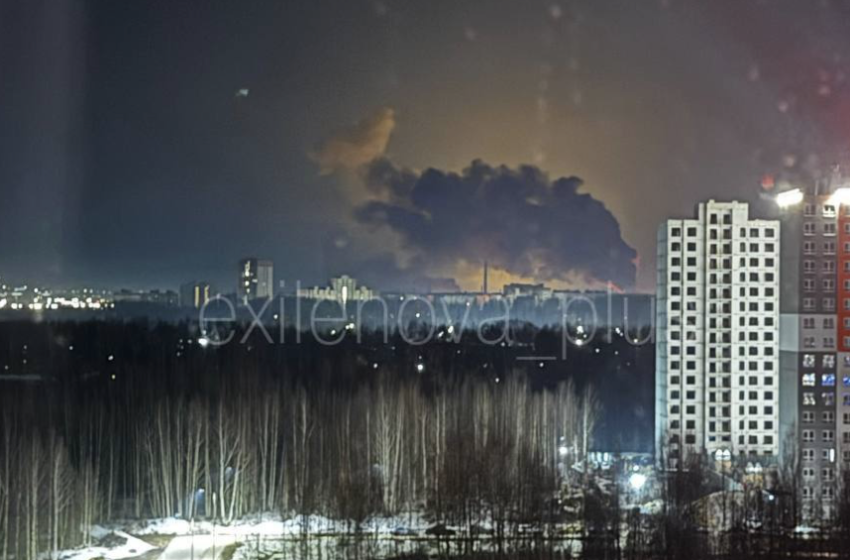
Ukrainian drones reportedly strike oil refinery in Russian city of Yaroslavl
Editor’s note: This is a developing story and is being updated.
Ukrainian drones struck an oil refinery in the central Russian city of Yaroslavl overnight on March 28, Telegram news channel Exilenova Plus reported.
The Slavneft-YANOS refinery is one of Russia’s five largest and is capable of producing over 15 million tons per year, the outlet reported.
The city is located about 700 kilometers (435 miles) from Ukraine’s border with Russia and lies approximately 230 kilometers (142 miles) northeast of Moscow.
Yaroslavl Oblast Governor Mikhail Yevrayev earlier said that a drone attack threat had been declared in the central Russian region.
Russian forces also reportedly shot down 155 Ukrainian drones across 16 regions overnight on March 28, including in the occupied-Crimean peninsula and Moscow, according to Russia’s Defense Ministry.
Moscow only reported on the drones that were downed, without saying if any hit their targets.
Ukraine regularly strikes military infrastructure deep within Russia and occupied territories in an effort to diminish Moscow’s fighting power as the Kremlin wages its war.
Kyiv considers oil facilities to be valid military targets as they directly fund Russia’s war.
Overnight on March 27, Ukrainian drones reportedly struck oil terminals in the port cities of Ust-Luga and Primorsk in Russia’s Leningrad Oblast, Russian Telegram media channels reported. The strikes marked the third straight night of attacks targeting oil facilities in the region.
On March 26, Ukrainian forces struck the Kirishi Petroleum Organic Synthesis (Kinef) oil refinery in the city of Kirishi, located in Russia’s Leningrad Oblast, the General Staff confirmed.
Global oil prices rose to over $100 per barrel on March 8, as the war between Iran, Israel, and the U.S. escalated, marking the first time prices have passed the $100-per-barrel mark since Russia launched its full-scale invasion of Ukraine in 2022.
Russian oil has been subject to sanctions such as oil price caps imposed by Ukraine’s allies throughout the duration of the full-scale war.
On March 12, the U.S. issued a temporary license allowing countries to purchase Russian oil currently stranded at sea in an effort to stabilize global energy prices despite Russia’s continued war against Ukraine, the U.S. Treasury Department announced.
First Appeared on
Source link






