


What Happened When I Ate Blueberries Every Day for 2 Weeks
I’ve been on a quest to find low-carb snacks for years. As a type 1 diabetic, so much of what I eat affects my day-to-day life. Anything from a banana to a slice of pizza can send me into a blood sugar rollercoaster. I wear a continuous glucose monitor (CGM), which measures the glucose between the layers of my skin via a tiny device on my arm, so I receive real-time feedback on my glucose levels nearly 24/7. This gives invaluable insight into how my diet impacts my levels. I’ve eaten peanut butter every day to see how my body responded in the past (and even tested the best blood glucose meters for easy blood sugar readings). Recently, I tried eating blueberries every day for two weeks to see what it did to my body and blood sugars.
Meet the expert: Lauren Harris-Pincus, M.S., R.D.N., founder of NutritionStarringYOU.com and author of The Everything Easy Pre-Diabetes Cookbook
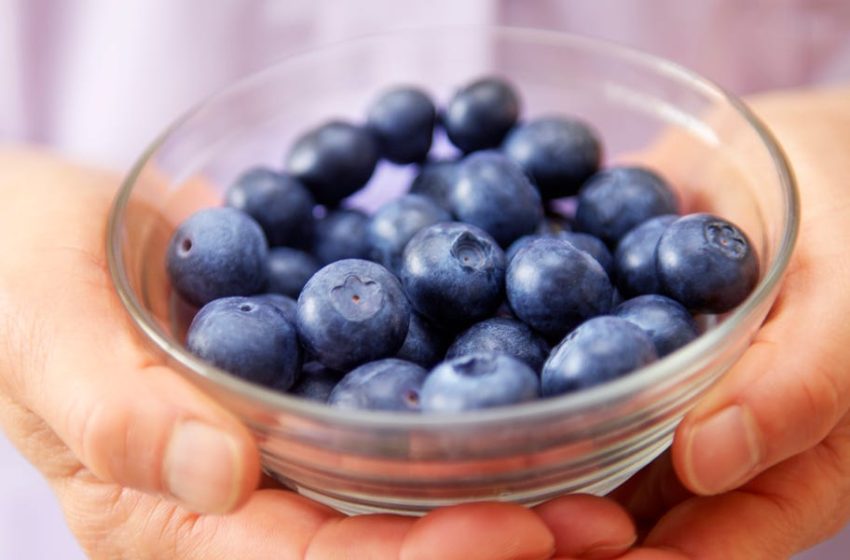
Appreciated for their low glycemic index and high antioxidant count, the delicious bite-sized berries make for a tasty ingredient in a slew of baked goods, blended into smoothies, adorning a yogurt bowl, and on their own. So, I added about a cup to my routine for over two weeks (eating them straight up, on their own as a snack) to see if I reaped the purported benefits, of which there seem to be many.
“There is also emerging research on the role of blueberries in gut health and exercise recovery,” explains Lauren Harris-Pincus, M.S., R.D.N., founder of NutritionStarringYOU.com and author of The Everything Easy Pre-Diabetes Cookbook
Research shows that eating blueberries every day may yield health benefits in just two weeks, Pincus points out.
Though their seasonality varies depending on where in the world you’re located, they can be found year-round in the supermarket.
What happened when I ate blueberries every day for two weeks
As someone with diabetes, the biggest benefit I saw from eating blueberries every day was the effect it had on my blood sugar (a.k.a. blood glucose). Swapping my afternoon snack with them instead of a carbohydrate-packed protein bar allowed me to maintain more stable blood sugars.
My CGM showed the impact blueberries had on my general blood sugars—mainly, eating around a cup led to fewer spikes, and more even numbers than some of my alternative eats. It’s worth noting that I do need to administer insulin (I opt for an insulin pump) when I eat anything with carbohydrates (note: carbs, not just sugars).
Although I’m not one for ultra-processed foods, I do enjoy some low-cal, low-carb options from time to time. Swapping these for blueberries led me to feel more satisfied, less weighed down, and more nourished.
Blueberry health benefits
Blood sugars aside, I didn’t notice much of the purported benefits (more specifics below), including getting sick less (in fact, I ended up getting the flu a few days after completing this experiment). But research does note the following health benefits of eating blueberries:
Packed with antioxidants
“Antioxidants play an important role in reducing inflammation, and polyphenols found in blueberries are powerful antioxidants that prevent or reverse damage to cells caused by the aging process,” Pincus says. Antioxidants also support the immune system, so eating blueberries consistently may, in theory, help your body fight off illness.
Aids heart health
“Wild blueberries in particular (the tiny ones) have 33% more deep purply blue anthocyanins and two times the antioxidants of ordinary blueberries, which can help protect the cardiovascular system and reduce blood pressure,” Pincus says.
Boosts cognition
“Research is showing that wild blueberries can improve the cognitive performance of children and adolescents, and have been shown to slow cognitive decline with aging,” Pincus says. But more research is needed.
Helps maintain stable blood sugars
This is something that I’ve witnessed firsthand. I saw little spikes in my blood sugar in the hours following eating a cup (something that is not the case when opting for more carbohydrate-dense foods like a banana). Pincus notes that blueberries may help improve insulin sensitivity to assist with maintaining healthy blood sugar levels, and studies back this up too.
Blueberry nutrition
According to the United States Department of Agriculture (USDA), 100 grams of blueberries, or 3.5-ounces (around 1/2 cup), contains:
- Calories: 57
- Protein: 0.7 g
- Carbs: 14.5 g
- Sugar: 10 g
- Fiber: 2.4 g
- Fat: 0.3 g
Is it possible to eat too many blueberries?
You can have too much of a good thing. “Blueberries contain fiber, which most people do not consume enough of; however, too much for someone not used to a high fiber diet could result in gas, bloating, or discomfort,” Pincus notes. She says that blueberries contain oxalates (naturally occurring plant compounds that bind minerals), which are not a concern for most. “However, those with a history of or predisposition for kidney stones may not want to overdo it.” Finally, she points out that though great in moderation, blueberries contain natural sugars, so eating too many may impact blood glucose.
The bottom line
Eating blueberries every day left me with more stable blood sugars after consuming them, but that’s pretty much the main benefit I saw in my brief experiment. I do continue to eat them weekly, and have done so for years, so perhaps it’s been a gradual change that is too incremental for me to notice. Regardless, blueberries are one of my favorite foods, and I’ll continue to enjoy them as a part of a nutritious eating plan.
First Appeared on
Source link






