


When alcohol turns harmful: Liver specialist explains the medicines that should never be mixed with it |
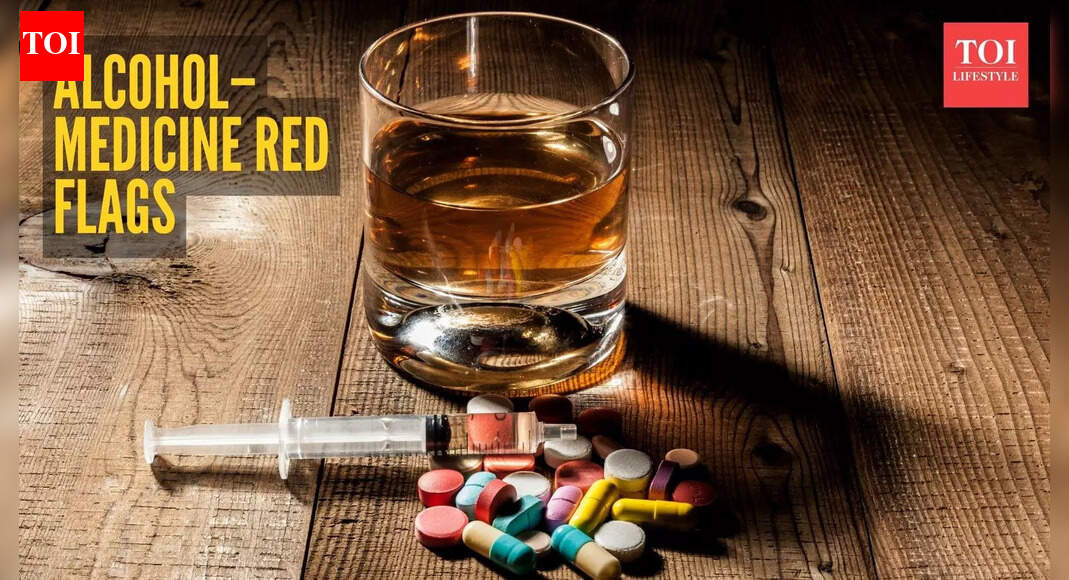
Alcohol slips into daily life as a way to unwind, but it can turn risky when it meets certain medicines. The mix may dull reflexes, strain the liver, or even flip a safe drug into something dangerous. Many people assume that “one drink” is harmless, but the body works hard to break down both alcohol and medicines, and this shared burden can change how each one behaves.
Dr Saurabh Singhal, Senior Consultant & Director, Centre for Liver-GI Diseases and Transplantation at Aakash Healthcare
, notes that some combinations can disrupt treatment or cause sudden, severe reactions. The goal here is to understand these interactions in clear terms so that the next time a drink is offered during a course of medication, the choice feels informed, not uncertain.Anti-anxiety drugs and the silent drop in alertnessMedicines prescribed for anxiety, such as benzodiazepines, slow down nerve activity so the mind can calm. Alcohol pushes the same brake pedal. When the two overlap, the slowdown becomes much stronger than expected. People often describe this as a sudden heaviness in the body or a strange delay in reacting to simple things. The risk is not only sedation. Breathing may become shallow, and coordination can slip in minutes. Doctors frequently see this combination turning routine tasks like walking or climbing stairs into real hazards. In severe cases, the combined depressant effect can lead to dangerous blackouts or respiratory failure, making the interaction especially unsafe even at low doses.
Sleep medications that turn too strongSleep pills work by relaxing the brain’s wake pathways. Alcohol acts on similar circuits. Together they can cause memory blackouts, confusion, and episodes of deep sedation that do not feel like natural sleep. A person may appear to be resting, yet the body might be fighting to keep breathing steady. Many people underestimate this because both items are familiar, but their combined effect is far from gentle. Even small doses can stretch grogginess into the next day, affecting judgment and reaction time.Antihistamines and the “heavy eyelid” effectOlder antihistamines, which are commonly utilized for relief from cold, cough, or allergy symptoms, naturally induce drowsiness and cause the eyelids to become heavy. When these antihistamines are consumed alongside alcohol, the sedative effects are greatly intensified, making the effort to stay awake feel akin to struggling with weight lifting using just the eyelids. This dangerous combination also impairs motor skills, rendering even brief driving or the operation of simple household appliances hazardous and potentially unsafe. Although newer antihistamines are designed to be less potent in their sedative effects, many Indian households continue to keep the older, more sedating varieties in stock, which underscores the importance of raising awareness regarding this issue.Painkillers that strain the liverTwo common types of pain relief need special caution.Opioids can become dangerously suppressive with alcohol, affecting breathing and heart rhythm.Paracetamol, trusted across homes, becomes a real concern because both alcohol and paracetamol travel through the same liver pathways. When taken together, especially in repeated doses, the liver faces overwhelming stress. This can raise toxic byproducts and increase the risk of liver injury. Dr Singhal’s clinical experience shows that people often ignore this interaction because paracetamol feels “safe,” but the liver does not see it that way.Antibiotics that trigger sudden, unpleasant reactionsNot all antibiotics clash with alcohol, but a few do. Metronidazole and tinidazole are known for causing flushing, pounding heartbeat, nausea, and vomiting when mixed with alcohol. This reaction can strike within minutes. The body treats the combination like a toxin, and even small amounts of alcohol, hidden in mouthwash or fermented foods, can set it off. During these antibiotics, skipping alcohol is not advice but a requirement.Medicines for heart, sugar, and blood flow
Some heart medications, blood thinners, and diabetes drugs behave unpredictably with alcohol.
Blood thinners may either become too strong or too weak, disrupting the delicate balance needed to prevent clots.
Diabetes drugs can lead to sharp drops in blood sugar, especially when paired with drinking on an empty stomach.
Certain heart medications may lose their rhythm-stabilising effect or cause dizziness when combined with alcohol.
These reactions vary from person to person, which makes mixing them with alcohol a gamble the body must pay for.
(Disclaimer: This article offers general information and should not replace medical advice. Drug interactions vary based on dose, health conditions, and individual response. Always consult a qualified doctor before mixing alcohol with any medication.)
First Appeared on
Source link






