


Why is colon cancer rising in young people?
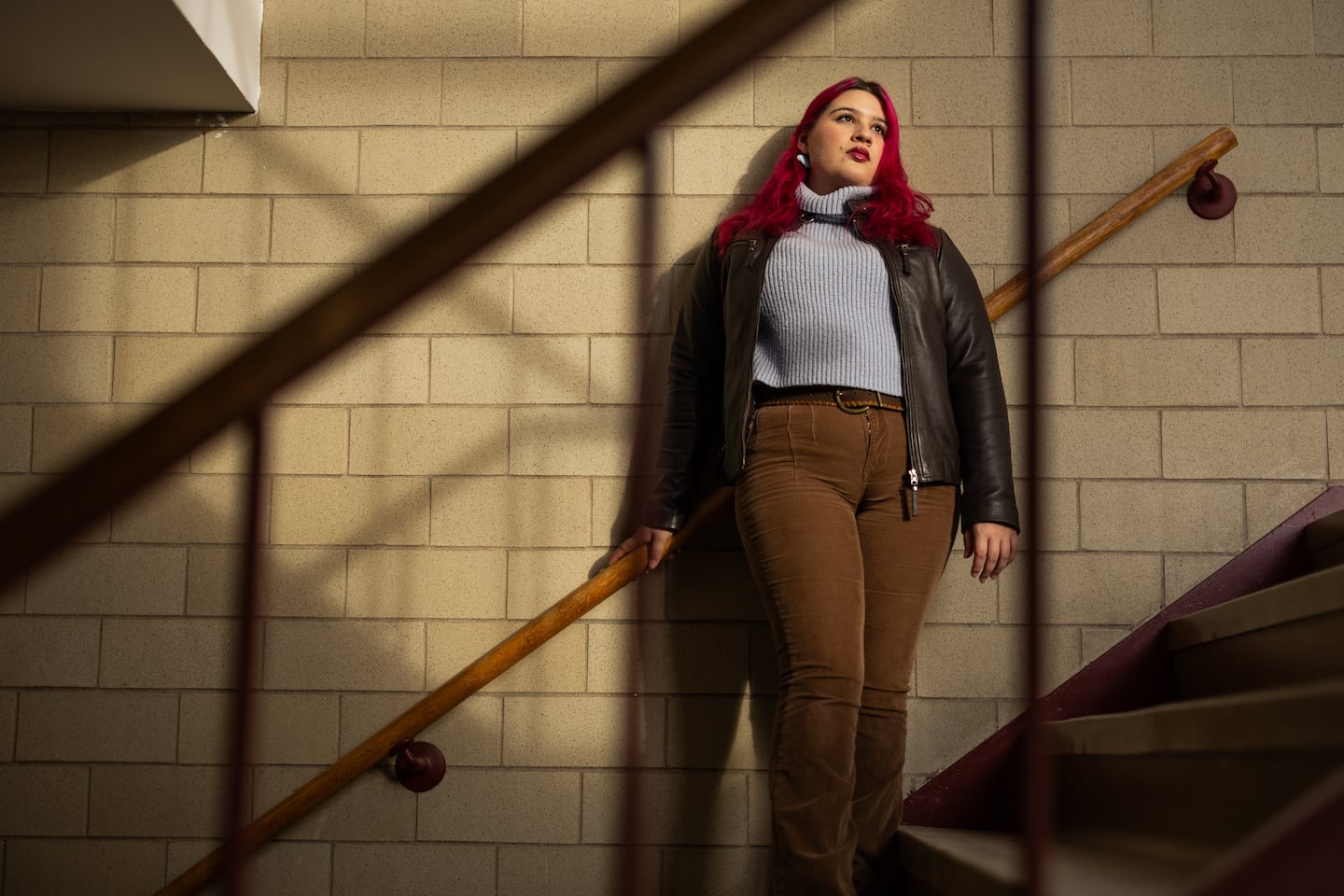
Two weeks after the first twinge of pain in her belly, doctors diagnosed Umanita with colon cancer. It granted her unwanted membership to a growing club of young adults who have developed a cancer once thought to primarily affect the elderly.
“Everything felt like it was out of a dream — well, a nightmare, I guess,” Umanita said. “It just didn’t feel real.”
For years, researchers have noted an alarming rise in colorectal cancer in younger people that’s not fully explained away by growing awareness and testing. People under 55 accounted for one-fifth of the 145,000 new colorectal cancer diagnoses in 2019, an American Cancer Society report showed — double the rate in 1995.
By 2024, it had become the leading cause of cancer deaths in men under 50 and the second for women in that age group, according to the American Cancer Society.
Scientists are zeroing in on some likely culprits, particularly diet and ultraprocessed foods.
Those issues are of particular interest to Health Secretary Robert F. Kennedy Jr., who has said such foods are “poisoning” people and contributing to high incidence of health problems in the country. On Wednesday, Kennedy issued new dietary guidelines that encourage a “dramatic reduction” in highly processed foods with added salt and sugar.
Boston’s academic medical centers are at the forefront of research in the role of such foods, harnessing data from patients such as Umanita to investigate why otherwise healthy young adults are developing devastating cancers.
A recent study led by MGB researchers found a connection between consumption of ultraprocessed foods — premade foods that are often high in sugar, salt, saturated fat, and additives — and the development of precancerous polyps.
“We’ve been focusing on some things that we know to be risk factors in older adults, but we know that’s not the complete answer,” said one of the study’s authors, Dr. Andrew Chan, at Mass. General.
“There’s still a lot more to be discovered,” he added.
As promising as the new research is, experts are still flummoxed by the high numbers of colorectal cancer in young adults. Some cancers have clear causes: lung cancer is almost always caused by smoking. Nearly all cervical cancer cases are tied to human papillomavirus. But colorectal cancers are likely the result of a kaleidoscope of factors.
Everyone in Umanita’s life, it seems, has an opinion on what caused her cancer, since she had no obvious genetic predisposition. Some people say it was her diet. Her parents think it’s microplastics. Others blame the COVID-19 vaccine.
“And of course that’s not true,” Umanita said. “But they try to look for an answer of why a girl my age would get cancer and I don’t have one.”
It didn’t hit Umanita until she was home from her initial hospital stay.
The hospital was distracting. There were constant tests, endless blood draws. She was fed through a tube, unable to eat by mouth for days. She dreamed of getting out and eating grilled cheese with tomato soup and special lemon Twizzlers.
Once she was able to, Umanita started her cancer treatment. Many people in her position might take the semester off, but she couldn’t stand the idea of spending her days thinking only about her diagnosis. She opted to take a full courseload and work as a teaching assistant.
Cancer. She tried the word out in her head, felt it roll off her tongue.
A psychology major, Umanita had learned about cancer in her science classes, but the disease took on new meaning now that it was hers.
Her life continued as normal, or as normally as possible while balancing chemo and classwork. Every other week she drove to her parents’ home on the North Shore and then to Boston, making up her Friday classes online between chemo infusions.
She saw a dietitian and wrote a paper about the links between cancer and diet. She swore off red and processed meats.
There were glimmers of purpose, such as the opportunity to participate in research at one of the country’s premier academic medical centers. She filled out surveys and donated tissue samples. She found it fitting, as she aspired to become a researcher.
Chan, the MGH physician and coauthor of the paper on the link to ultraprocessed foods, remembers the patient who came into the hospital with severe abdominal pain about 20 years ago. It was striking when her test results came back positive for colon cancer: she wasn’t even 40.
The woman was caring for her young kids and her aging mother.
“Any time you’re faced with a young person that has a disease like cancer, it hits you harder,” Chan said. “She had this network of people that were depending on her.”

Other doctors noticed an uptick in colon cancer in middle-aged and even young adults around that time. They weren’t sure why.
Screening explains some of the increased diagnoses. An American Cancer Society study found that screening in the 45 to 49 age group increased by 62 percent from 2019 to 2023 after the group lowered its age recommendation.
But this doesn’t catch individuals under 45, whose colon cancer rates have also climbed. Younger patients are more likely to ignore the subtle symptoms — pain, irregular bowel movements, bloody stool — that point to trouble. Often, they arrive at the oncologist sicker than elderly patients with the same disease.
There are established risk factors for colon cancer, Chan said, including being overweight or physically inactive. In older adults, diets heavy in red meat and high-sugar foods were also linked to the disease. Was this the case for younger adults too?
Chan and other researchers are furiously investigating potential causes, by studying healthy individuals over their lifetime as well as those such as Umanita who come into the hospital diagnosed with early-onset colon cancer. She is a subject in one of Chan’s studies.
His team’s recently published a study in JAMA Oncology showing that soda, chips, and other ultraprocessed foods could be at least partially to blame for the polyps that precede colon cancer.
They analyzed the diets of nearly 30,000 women under the age of 50 and found those who ate the highest levels of ultraprocessed foods had a 45 percent higher risk of developing precancerous polyps in the colon, compared to those who ate the lowest levels of ultraprocessed foods.
The connection between food and cancer didn’t surprise Dr. Lilian Chen, chief of colorectal surgery at Tufts Medical Center, who referred to herself as a “surgical plumber.” Chen was not involved in the study.
“Whatever goes into our body, basically the inside of our colon is seeing and processing,” Chen said.
Still, ultraprocessed foods alone don’t explain the rise in colon cancer. There are many patients Chan sees who have healthy diets and are physically active.
“These standard risk factors don’t apply to everybody,” Chan said.
The other big question is whether damage from years of unhealthy eating can be undone. That’s what Chan plans to study next.
In March, after surgery and 12 rounds of chemo, Umanita rang the bell at Mass. General to signal when a patient is done with cancer treatment.
The hard part was over, she thought. But the transition back to normal life took her by surprise.
Umanita’s oncologist, Dr. Aparna Parikh, said the most emotionally difficult visit they had was in October, more than six months after she finished her last cycle of chemo.
“We’ve gotta keep a close eye on her and support her mental health through this, because she’s not OK, even though she has this entire time been strong and resilient,” Parikh recalled thinking.
During Umanita’s treatment, everything was moving at light speed. Then, one day, it just stopped. She no longer had that to focus all her energy on. And because of her youth, few people around her could relate to her experience.
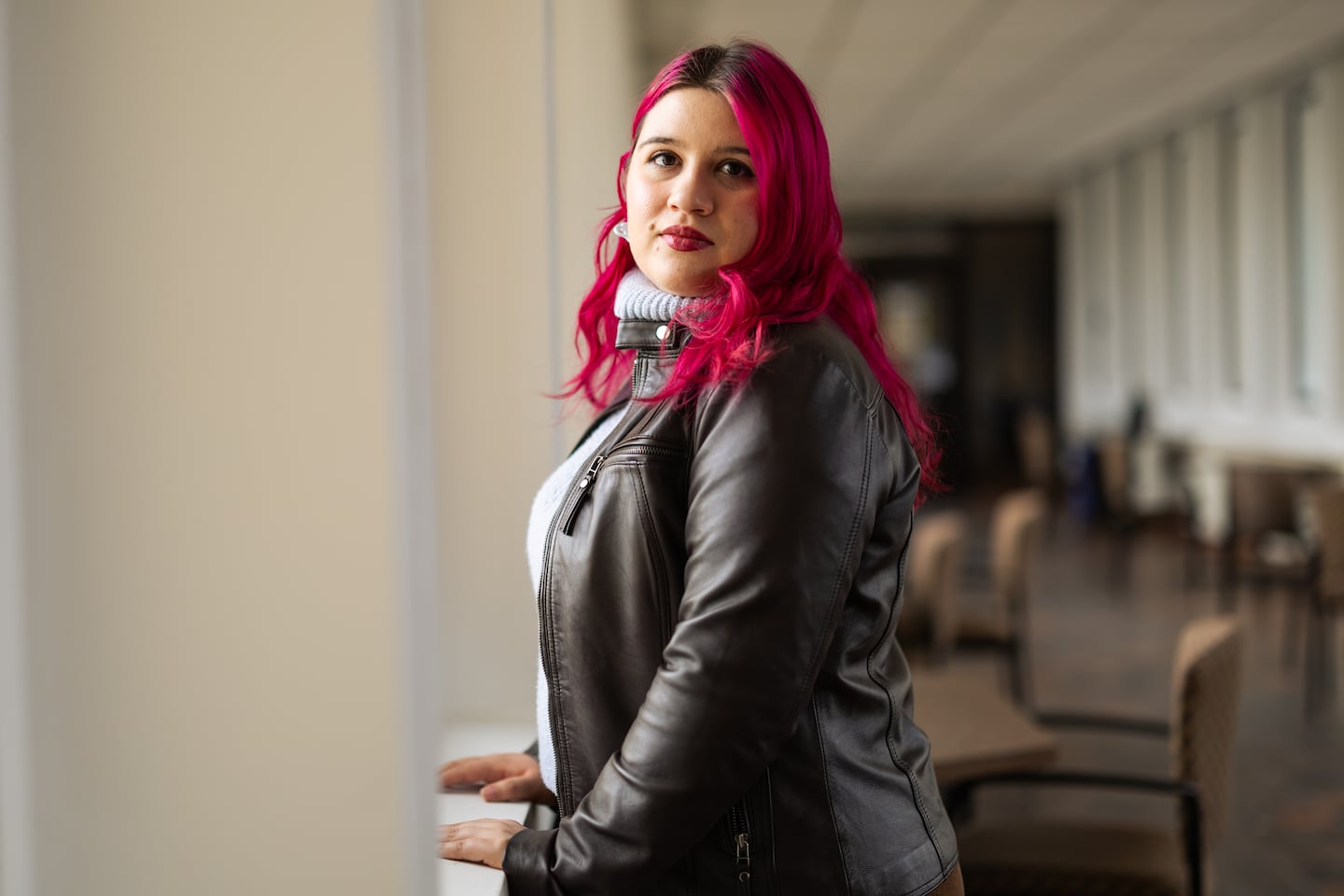
She confronted the unthinkable and survived. But her fears linger — that the cancer could return. She now sees her life as split in two: before cancer and after.
“Thinking of it as the end of a journey is not accurate for me,” Umanita said. “It’s the beginning of something else.”
Umanita has accepted she’ll never know why she got cancer, but has adopted some changes that could lower cancer risk in the future. She exercises regularly, eats more fiber, and avoids red meats, with the exception of Beef Wellington on special occasions. She also knows there are likely other factors she can’t control.
“It’s complicated and it’s a multifaceted thing. Everything is, if you really look at it under a microscope,” Umanita said. “It doesn’t exactly bring me solace, but I know this to be true.”
Marin Wolf can be reached at [email protected].
First Appeared on
Source link






