


Why There’s Simply No Need For An Amazon Fire TV Stick Anymore
We may receive a commission on purchases made from links.
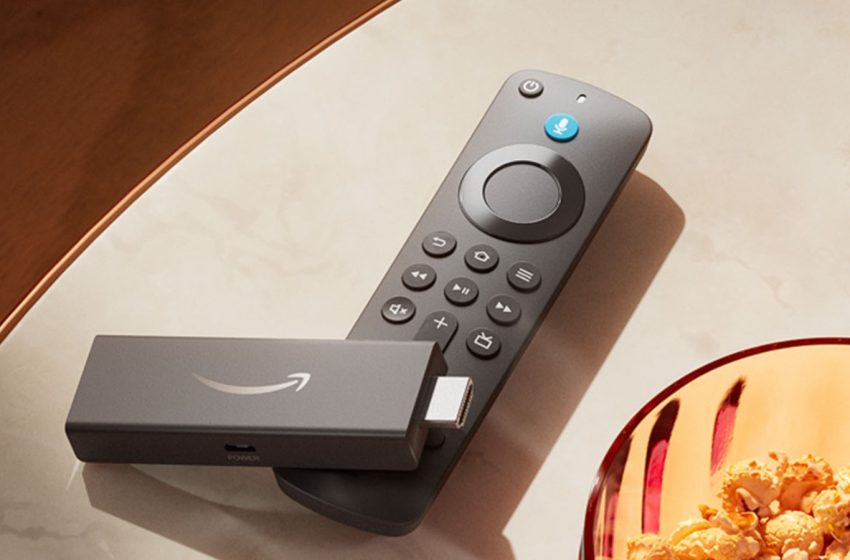
The Amazon Fire TV Stick is an essential TV gadget for many, as it’s a dongle that can turn almost any TV into a smart device when plugged into the television’s HDMI port. It gives you access to numerous apps and streaming service providers as long as you have the required subscriptions.
Amazon released the first Fire TV Stick in 2014, and while the Roku Streaming Stick predates it by several years, the Fire TV Stick provides several features that a Roku Stick lacks, including cloud gaming and superior voice controls. However, in the more than 10 years since the Fire TV Stick first launched, the streaming landscape has undergone numerous changes, and not just because the number of services has significantly increased — along with the subscriptions required to watch them all. The number of competitors and smart TVs with operating systems that support such apps has also increased. That’s why the Amazon Fire TV Stick is mostly no longer needed, except in specific situations.
Many modern TVs have the same features as a Fire TV Stick
The Amazon Fire TV Stick has become somewhat obsolete in the modern era. Many TV sets currently for sale are smart TVs, which means that even if you don’t hook them up to a cable service, you can still access numerous streaming channels. Moreover, Amazon sells its own smart TVs known as the Fire TV, which are televisions that run on the same Fire OS as the Fire TV Stick and boast the same features. Amazon also offers the Fire TV Cube, which is basically a more powerful version of the Fire TV Stick. Finally, TV manufacturers such as Toshiba and Hisense sell smart TVs that run on Amazon’s Fire OS.
Even if you don’t purchase an Amazon Fire TV, you don’t need a Fire TV Stick to get the same streaming experience, and we don’t mean you should buy a Fire TV Cube. While the Roku Streaming Stick doesn’t let you stream video games, it shares the same streaming channels as the Amazon device, with the sole exception being the live streaming platform Twitch, which Roku doesn’t support.
Another point in Roku’s favor is its pricing. While Roku Streaming Sticks range from $29.99 to $49.99, Amazon Fire TV Sticks are more expensive, normally going from $34.99 to $59.99. And while the Fire TV Stick’s video game streaming service might sound tempting, you don’t need it if you already own a console, since local gaming is subject to less input lag, and these consoles let you download many of the most popular streaming apps.
The Amazon Fire TV Stick isn’t completely superfluous just yet
While we just stated that many devices can provide the same experience as a Fire TV Stick, the dongle still has a niche if you know where to look. For instance, a TV with Fire OS might provide the same streaming apps as the Fire TV Stick, but the Stick loads apps and programs faster because it has a superior processor and more RAM. Also, Fire TV users on Reddit point out that if you own a Fire TV Stick, you only have to prioritize display quality when shopping for new TVs, because you can plug the stick into the new set and turn it into a fast 4K streaming machine regardless of its built-in operating system. You can even take your Fire TV Stick on the go and swap it around multiple monitors. Then again, the same is true of a Roku Streaming Stick.
Another reason to use the Amazon Fire TV Stick is integration, as the device can connect to Amazon’s Smart Home. Each Fire TV Stick comes with an Alexa Voice Remote, which you can use to control other Alexa-powered gadgets. Fire Sticks can also natively connect to Ring Doorbells, so if someone knocks on your door during movie night, you can use your TV to check if it’s someone delivering the pizza you ordered. And yes, the voice remote lets you talk with the person at the door.
If you are already invested in the Alexa Smart Home ecosystem and don’t own a Fire OS TV, an Amazon Fire TV Stick might be a wise investment. Otherwise, buy a Roku Streaming Stick or make do with your slower smart TV.
First Appeared on
Source link






