


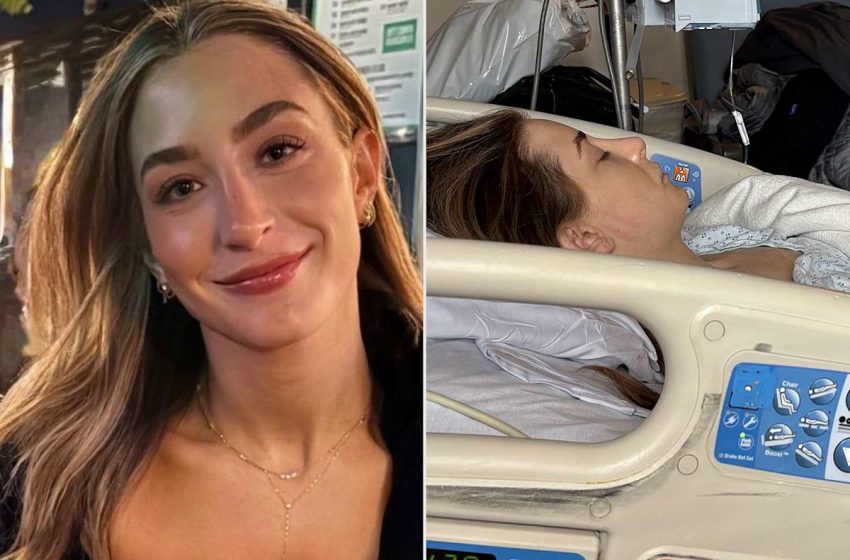
Woman, 33, Says It Took 20 Years to Finally Get an Endometriosis Diagnosis, After Multiple Doctors Dismissed Her (Exclusive)
Melissa Diamond.
Credit: Melissa Diamond
NEED TO KNOW
-
A woman recalls how it took two decades to get her endometriosis diagnosis, thanks to multiple doctors dismissing her symptoms over the years
-
Melissa Diamond, now 33, began experiencing symptoms as a teenager but didn’t get clarification about her ailments until 2025
-
“In a world where we’re silenced, we need to be loud,” she tells PEOPLE, looking back at her health journey
A woman is recalling the long process it took to get her endometriosis diagnosis, thanks to multiple doctors dismissing her symptoms for two decades.
“My health journey started when I was twelve years old and got my first period. I immediately had issues, and the pain was so severe that I would miss school and miss activities regularly,” Melissa Diamond tells PEOPLE exclusively.
At age 14, Diamond’s mom brought her to a gynecologist, who found a cyst on her ovary and surgically removed it. After that, Diamond was put on birth control.
“It did a really great job of masking my symptoms for most of my life,” Diamond, now 33, recalls. “I would still get pretty bad periods, but nothing alarming enough to raise real concern.”
According to Diamond, “Doctors instilled in me that I needed to stay on birth control, otherwise the cysts would come back. There was this fear built in that I could never come off of it.”
Never miss a story — sign up for PEOPLE’s free daily newsletter to stay up-to-date on the best of what PEOPLE has to offer, from celebrity news to compelling human interest stories.
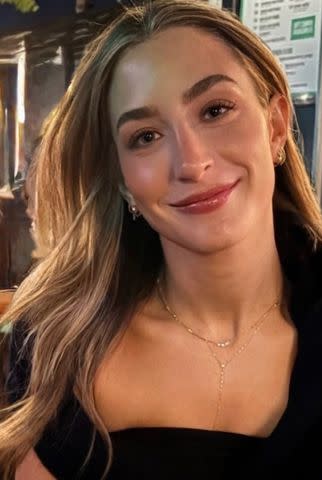
Melissa Diamond.
Credit: Melissa Diamond
In her late 20s, Diamond started thinking about her future when it came to children and fertility.
“I wanted to explore what life off birth control would look like so I could freeze my eggs, but doctors kept telling me I had to stay on it or I could end up back in the ER with a ruptured cyst,” she tells PEOPLE.
Eventually, Diamond’s doctor agreed to let her try going off the pill, but issues began “immediately.”
“I had debilitating periods and cramps that would take me out of work, horrible PMS, and I developed severe stomach problems,” Diamond, who works as a sales director for Sierra AI, explains. “I went to a gastroenterologist and was told I had IBS, and I had horrible back pain. No one ever linked any of my symptoms together.”
A doctor’s office (stock image).
Credit: Getty
Diamond also went to her gynecologist, where she expressed that something didn’t feel right. “I said I thought I might have PCOS (Polycystic Ovary Syndrome) or endometriosis, [but my gynecologist] looked at me and said I didn’t have those things, that I didn’t have the main symptoms, and her answer was to go back on the pill,” she recalls.
Still, Diamond worked as her own advocate and “saw a number of different gynecologists, trying to get a second opinion.”
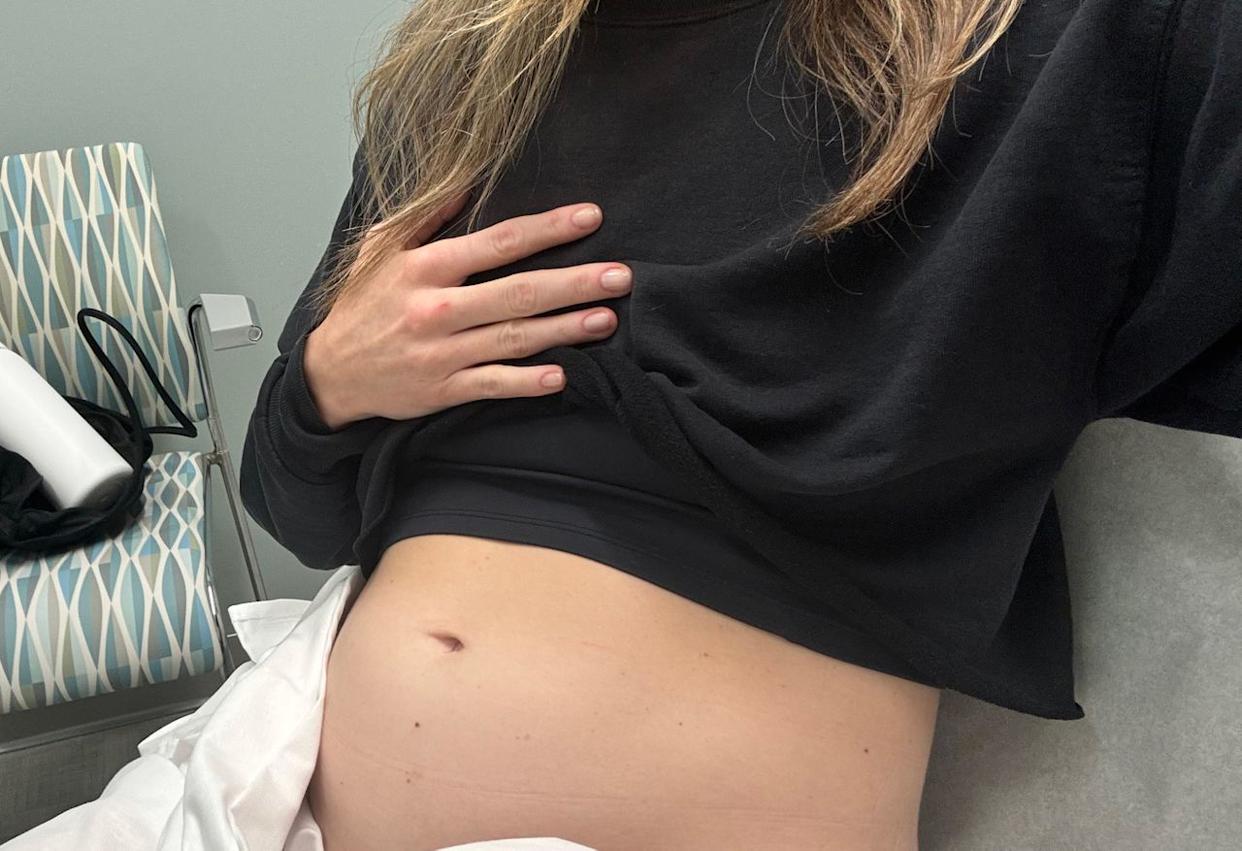
Melissa Diamond’s stomach as she dealt with her health issues.
Credit: Melissa Diamond
However, “Every single time I was gaslit,” she explains. “Every doctor told me nothing was wrong, that I just needed to go back on birth control. That was always the only answer.”
Diamond worked with an acupuncturist in the meantime, who helped her with cramping and got her on herbal blends, “but it wasn’t perfect.” She adds, “I was still in pain, [but] I just lived with it: the bad stomach aches, diarrhea, horrible bloating, back pain.”
The PEOPLE Puzzler crossword is here! How quickly can you solve it? Play now!
Last summer, things took a turn for the worst, and Diamond was taken to the emergency room. “They ran every test under the sun and couldn’t find anything wrong. They gave me morphine, the heaviest opiates they had, and nothing helped the pain,” she says. “I genuinely thought I was dying.”
ER workers did express to Diamond that they believed she could have endometriosis, but she said they told her she needed to instead see a gynecologist or pain specialist “because they couldn’t help me there.”
A stethoscope and a medical history form (stock image).
Credit: Getty
So Diamond put a plan into action the very next day and met with a different gynecologist at her same practice, but she was still dismissed, as the gynecologist “suggested I take Tylenol,” Diamond recalls.
Later that same day, while Diamond was “in tears” about the unknown surrounding her health issues, she was admitted back into the ER, where she was told doctors couldn’t do anything for her. “It wasn’t until a really kind female doctor came up to me and said she thought I had endometriosis. She told me they weren’t equipped to diagnose or treat it there, and that I needed to see a specialist,” Diamond tells PEOPLE.
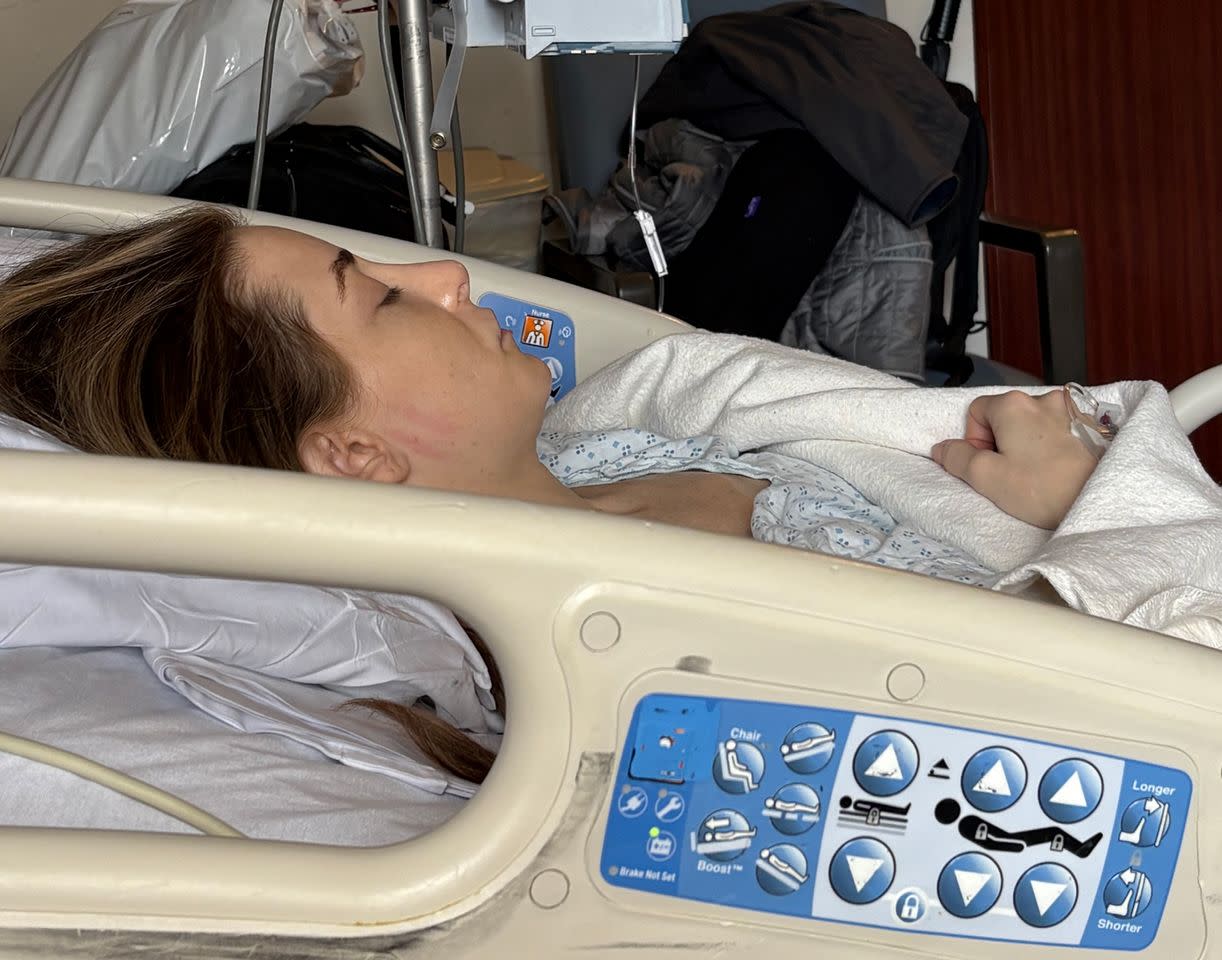
Melissa Diamond in a hospital bed.
Credit: Melissa Diamond
Eventually, Diamond reconnected with her acupuncturist, who connected her with a surgeon, Dr. Tamer Seckin, the head of the Endometriosis Research Foundation.
“He ran a pelvic MRI, and even though endometriosis often doesn’t show up on imaging, they found it everywhere,” she says.
A few months later, Diamond underwent surgery. “They removed twenty-three lesionss, they had to remove my appendix — it was everywhere. All over my pelvic wall, my intestines, bladder and rectum,” she says.
“Some of the lesions were twenty years old. All along, I was right: something was wrong,” Diamond adds. “I was unbelievably angry and scared. I know I was being validated, but the anger just consumed me. I kept thinking about all of the doctors over the years who told me nothing was wrong. I was full of rage because all along, there really was something.”
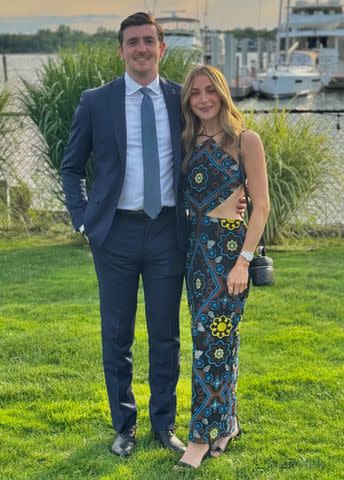
Melissa Diamond (right) and her boyfriend (left).
Credit: Melissa Diamond
Now, following her surgery, and after “having a doctor finally take me seriously, acknowledge that I wasn’t crazy and that something was actually wrong,” Diamond says she lives “an almost pain-free life.”
“I still deal with some bloating, stomach problems and cramping, but compared to what I was dealing with before, it’s night and day,” she continues. “I used to have anxiety every single month when I knew my period was coming. I don’t live with that anymore.”
Looking back at her health journey, Diamond tells PEOPLE, “I knew I had two paths: I could be a victim of my circumstances and sit in the anger, or I could use my voice for good. Sharing my story has been a wonderful experience. I’m taking something really sad and using it to help other women advocate for themselves. You are not alone. There are millions of women dealing with this, and I encourage them to find other people and connect within the endo community. It’s scary dealing with this. But in a world where we’re silenced, we need to be loud.”
Still, Diamond, who is involved with the Endometriosis Foundation of America, knows there is a ton of work left to be done. “It’s really important to acknowledge that endometriosis surgery is not covered by insurance in many states,” she explains. “There are hundreds of millions of women affected, and they should not be going into medical debt to get treatment.”
“And endometriosis is not taught in medical school in any depth, if at all. The curriculum needs to change. The doctors who sent me home and gaslit me over the years weren’t necessarily bad people trying to dismiss women, they simply didn’t know what endometriosis was because they were never properly educated on it. That is horrible. A disease that affects at least one in ten women, and the medical community doesn’t have adequate knowledge about it? There needs to be change.”
Read the original article on People
First Appeared on
Source link






