


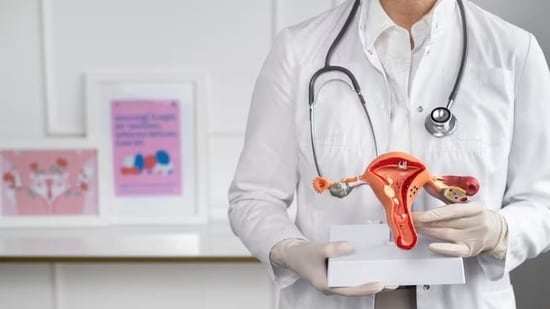
World Cancer Day 2026: Oncologist explains why ignoring cervical cancer awareness could cost young women their lives
World Cancer Day 2026: Cervical cancer does not begin in adulthood. Its roots are often planted much earlier, in years when health education is minimal, conversations are uncomfortable, and silence is mistaken for protection. In India, where adolescence is still surrounded by social hesitation, the absence of timely health education continues to shape preventable health outcomes later in life.
Adolescence is a formative phase, marked by rapid physical, emotional, and social changes. It is also the window where health awareness, habits, and attitudes are shaped for life. “When adolescent health education is neglected, particularly around reproductive health, the cost is often paid years later, quietly, and at great personal and social expense”, Dr Ranajit Kar, Radiation Oncologist, HCG Cancer Centre, Cuttack, tells Health Shots.
Why is early detection of cervical cancer important?
Cervical cancer develops slowly, often taking years to progress from early cellular changes to invasive disease. “These early changes are strongly linked to persistent infection with the human papillomavirus (HPV), a common virus transmitted through skin-to-skin contact”, shares the radiation oncologist. Most infections occur soon after the onset of sexual activity, often without any symptoms.
An Indian study published in Cureus and public health surveys consistently highlight that awareness about HPV, cervical cancer, and preventive measures remains limited, especially among adolescents and young adults. “Conversations around reproductive health are frequently delayed until marriage, missing a crucial preventive window”, says the doctor. As a result, many women encounter cervical cancer only when symptoms appear. By this time, the disease may already be advanced.
Is cervical cancer one of the most preventable?
Cervical cancer is one of the most preventable cancers when approached early. Prevention rests on three pillars: awareness, vaccination, and screening.
Public health programs in India increasingly emphasise HPV vaccination for adolescents, alongside routine screening for adult women. National health surveys (such as the NFHS in India) and government health portals (such as the Ayushman Bharat Digital Mission) indicate that early preventive measures reduce the future burden of disease.
However, vaccination alone is not enough. “Adolescents must understand why prevention matters, how infections occur, and why screening remains important even years later”, says the expert. Education ensures that prevention is not seen as a one-time intervention, but as part of lifelong health responsibility.
How to prevent cervical cancer?
Cervical cancer prevention requires education. By the time screening becomes relevant, the foundation must already be in place. “Adolescent health education creates that foundation, quietly shaping healthier choices, informed decisions, and timely care-seeking behaviour”, says Dr Kar. India’s progress in reducing preventable diseases will depend on how early it begins these conversations. Teaching adolescents about cervical health is not about anticipating illness; it is about safeguarding futures.
Why is it important to know about reproductive health at an early age?
Parents and caregivers often hesitate to discuss reproductive health, fearing it may encourage early experimentation. Evidence from Indian public health initiatives suggests the opposite: well-informed adolescents are more likely to make responsible health choices and seek timely medical advice. When health education is framed around safety, dignity, and prevention, it empowers rather than alarms.
Using simple language, relatable examples, and trusted local voices helps normalise discussions around reproductive health. “When adolescents feel informed rather than judged, they are more likely to engage, ask questions, and carry these lessons into adulthood,” explains the doctor.
(Note to readers: This article is for informational purposes only and not a substitute for professional medical advice. Always seek the advice of your doctor with any questions about a medical condition.)
First Appeared on
Source link






