


Your heart, your check-up: Cardiologist shares simple checks that could catch trouble early
Heart disease isn’t some distant danger. Across the world, heart and circulatory diseases are the number one cause of death, taking the lives of millions of people every year. The World Health Organization estimates roughly around 18 to 20 million people die from cardiovascular diseases annually, which is nearly a third of all deaths on the planet. The scary part is that many of these deaths aren’t because of something sudden we couldn’t see coming. A lot of times, they come from stuff we could influence, diet, stress, activity levels, smoking, even sleep. Most people have these sneaking risk factors long before they end up in a hospital bed.And don’t assume it’s an “old person problem.” Sure, age brings risk, but rising stress, long hours sitting at desks, poor food choices, and lack of movement are pushing heart issues into younger age groups too. That means people in their 40s and 50s are showing up with serious heart trouble that used to be much more common in older folks.So what’s the takeaway? It’s simple, but not easy: heart care merits attention now, not only when something hurts. Check your blood pressure. Watch what you eat. Get moving more than you think you need to. And if you’ve got warning signs, odd pains, breathlessness, dizziness, don’t shrug them off. The statistics are blunt, but they’re just one part of the story. The other part is your life, your family, your future, and that’s worth taking seriously.In this context, Dr. Anjan Siotia, Director, Cardiology, BM Birla Heart Hospital shared simple things that can help one identify a heart issue at the earliest and take medical help.
What are some simple signs or changes at home that might indicate a heart problem?
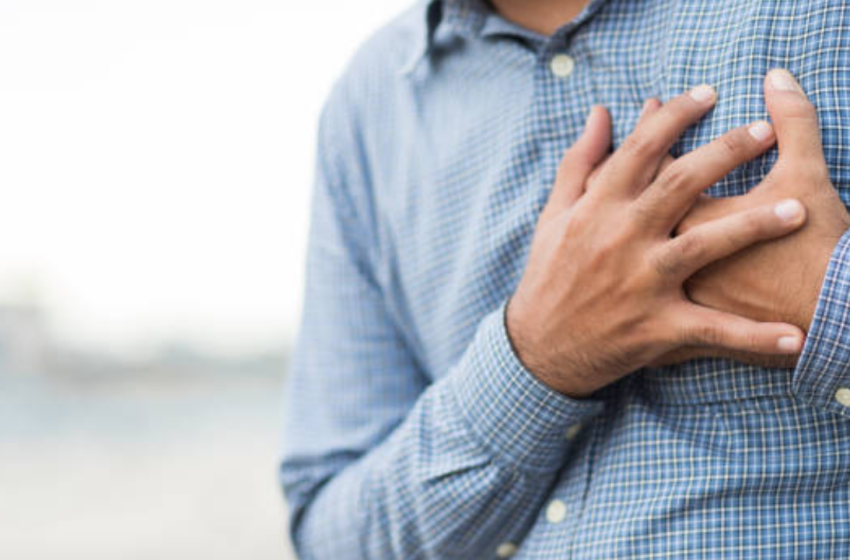
There is no kind of definitive test that you can do at home that can indicate somebody has a heart attack or heart problem. But yes, the symptoms of heart disease are mainly chest pain and breathlessness or sometimes even tiredness after exertion. If on exertion somebody is having symptoms like chest discomfort, chest heaviness, severe breathlessness, extreme tiredness or jaw pain, it can indicate that the patient may have a blockage in the heart artery. The chest pain can be felt in the arm, in the back, in the joint, in the abdomen and upper part of the body as well.
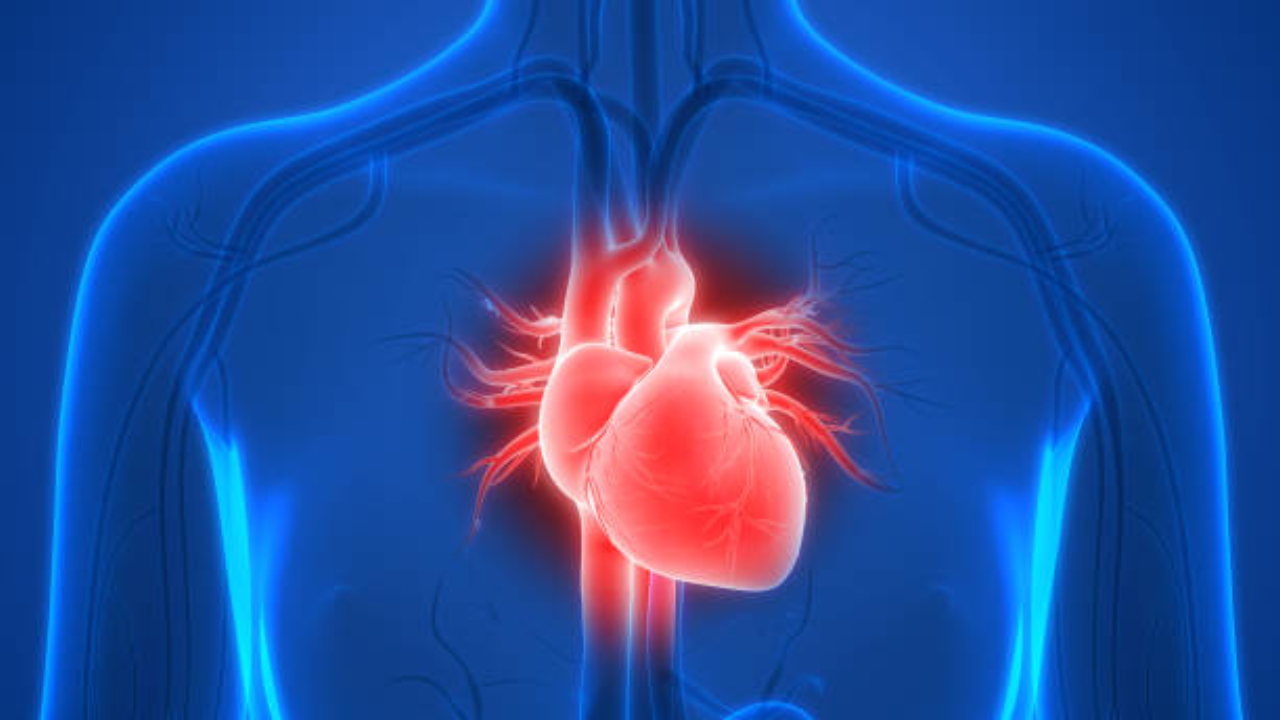
The truth is that most patients who have experienced a heart attack and end up coming to us, have never experienced any chest pain or any symptoms prior to the heart attack. Therefore, just because somebody does not have any symptoms does not mean that they will never have a heart attack, they may still have a heart attack and that may be the first presentation of heart disease in that individual.
Can regular at-home checks really help prevent serious heart issues? How often should they be done?
Preventive health check-ups do have a role, but I do not think people should be fooled into thinking that if they do a health check-up every year, they will never have heart disease. Heart disease doesn’t necessarily have to be picked up by simple non-invasive tests. Even if it is picked up and you start the patient, for example, on aspirin or statin, the person still may get heart disease. However, the risk to getting heart disease is lower compared in people who get check-ups compared to someone who has never had a check-up and is not taking any medicines.
Are there common mistakes people make when checking their heart at home?
Many individuals believe that if they are not experiencing any chest pain, then their heart will be healthy. The truth is that heart disease can often be “silent”, particularly among women; seniors; and people with diabetes — who may have vague symptoms or none at all.Taking your blood pressure right after working out, or when you are stressed, have recently consumed caffeine, or do not have your arm supported properly could provide you with unreliable measurements. Using an improperly sized cuff may also affect the results of your blood pressure; as will checking your blood pressure only once rather than taking several readings.Although many smartwatches and fitness trackers will alert you to an irregular heartbeat, they are not able to give you a medically sound diagnosis. It is dangerous to either overreact to minor changes in your heart rhythm or to dismiss continuous notifications from your device without first discussing them with your doctor.While a single normal blood pressure reading does not guarantee that you do not have heart disease, a single high blood pressure reading does not confirm that you do. Your health should be based on consistent trends over time, not on one-off readings.Home monitoring should never substitute for routine visits to your healthcare provider for routine health assessments, blood tests, ECGs (electrocardiograms) and physical examinations, especially if you have risk factors for heart disease; such as hypertension (high blood pressure), diabetes, smoking or a family history of heart disease.
In addition to home checks, what other lifestyle changes should be made to maintain heart health ?What lifestyle habits should people focus on alongside these at-home checks to keep their hearts healthy?
A person should take care of their blood sugar and blood pressure; they should eat properly and exercise to keep their heart okay. They should also get adequate sleep as sleep deprivation is common nowadays. I suggest limiting social media usage as overindulgence can cause chest pain in a lot of patients these days. There are risk factors such as diabetes, high blood pressure and cholesterol as well. A person should avoid consuming tobacco, manage their stress, maintain a healthy diet, get adequate sleep and exercise daily which will help in maintaining an ideal body weight.Medical experts consulted This article includes expert inputs shared with TOI Health by: Dr. Anjan Siotia, Director, Cardiology, BM Birla Heart HospitalThe doctor explained simple steps that can help individuals check if their heart is healthy.
First Appeared on
Source link






