


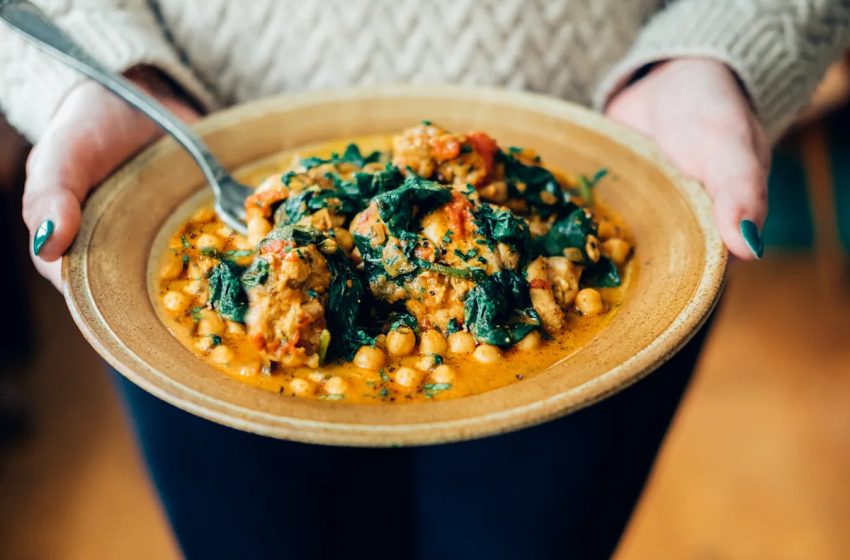
4 fibre-rich foods to add to your diet – and the ones to rethink
It’s been a healthy start to 2026 for many Brits, with sales of fresh fruit and dried pulses – such as lentils and beans – up 6% year on year. We’ve also been buying more fresh fish, yoghurt and cottage cheese.
And around a quarter of us have been looking out for high-fibre options too, according to a survey for Worldpanel. “Shoppers are actively seeking out foods that support their health goals, with strong demand for staples high in nutrients like protein and fibre,” Fraser McKevitt, the Worldpanel head of retail and consumer insight, told The Guardian.
Fibre has also been having a moment on TikTok recently, with “fibremaxxing” being the buzzword that everyone’s discussing. Not a medical term, the phrase refers to the intentional act of loading your meals with high amounts of fibre – something most of us could benefit from, considering that around 96% of people in the UK don’t get enough.
With fibremaxxing, the aim is to meet or exceed the government-recommended 30g of fibre per day, which studies have linked to better heart health and a reduced risk of type 2 diabetes and colorectal cancer.
Dietary fibre, also known as roughage, is found exclusively in plant foods like vegetables, fruits, whole grains, nuts and seeds. However, some of the most common supermarket staples in the UK offer limited support for gut health and digestion.
To make your next big shop easier, we’ve rounded up some of the best high-fibre foods to stock up on – and a few that are surprisingly low in the good stuff.
4 of the best high-fibre foods
1. Chia seeds
Sprinkle chia seeds on yoghurt and fruit for a very easy way to add a little extra fibre into your day.
(zeljkosantrac via Getty Images)
Packed with protein, omega-3 fatty acids and disease-fighting antioxidants, trendy chia seeds also happen to be one of the best sources of fibre you can find in the supermarket.
Just a two- or three-tablespoon serving (roughly 28g) is loaded with around 10g of fibre – ticking off a third of your recommended daily intake in one easy sitting.
Many people whizz these tiny, oval-shaped seeds, which are harvested from a flowering plant native to South and Central America, into breakfast smoothies and immunity shots. However, their mildly nutty flavour also lends them well to a topping on Greek yoghurt, salads and porridge oats.
2. Chickpeas
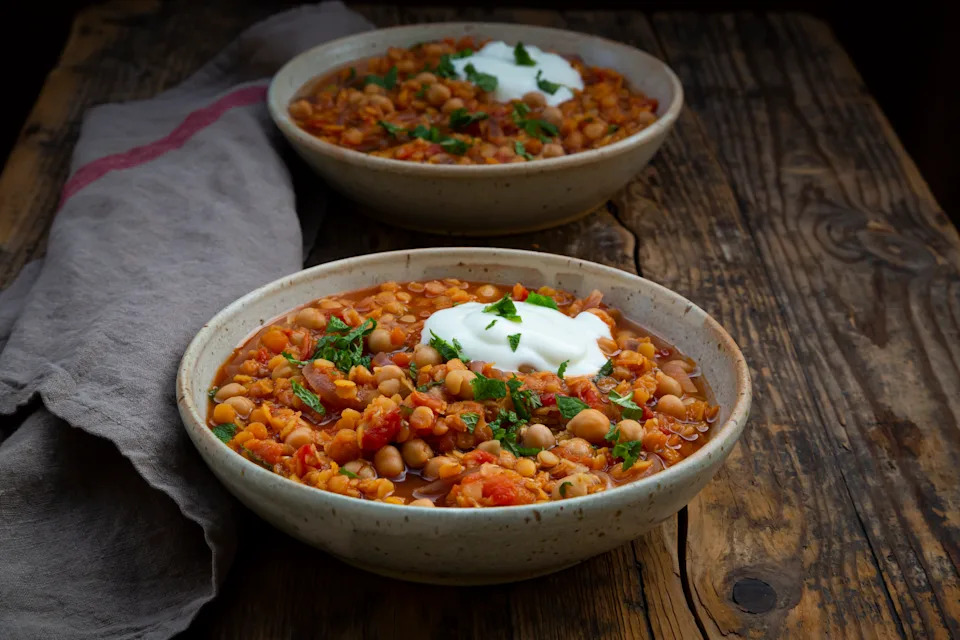
Chickpeas can be added to almost any meal, particularly soups, stews and curries.
(Larissa Veronesi via Getty Images)
Versatile and inexpensive, chickpeas are a great choice in budget cooking, and they can be used for so much more than just a homemade hummus dip. Toss them in salads, pack them into fajitas or whizz them into soups for an extra fibre hit in your midweek meals.
Chickpeas from UK retailers typically contain about 5 to 7g of fibre per 100g serving, and they count as one of your five a day, too.
These edible pulses can also be a great source of plant-based protein.
3. Lentils
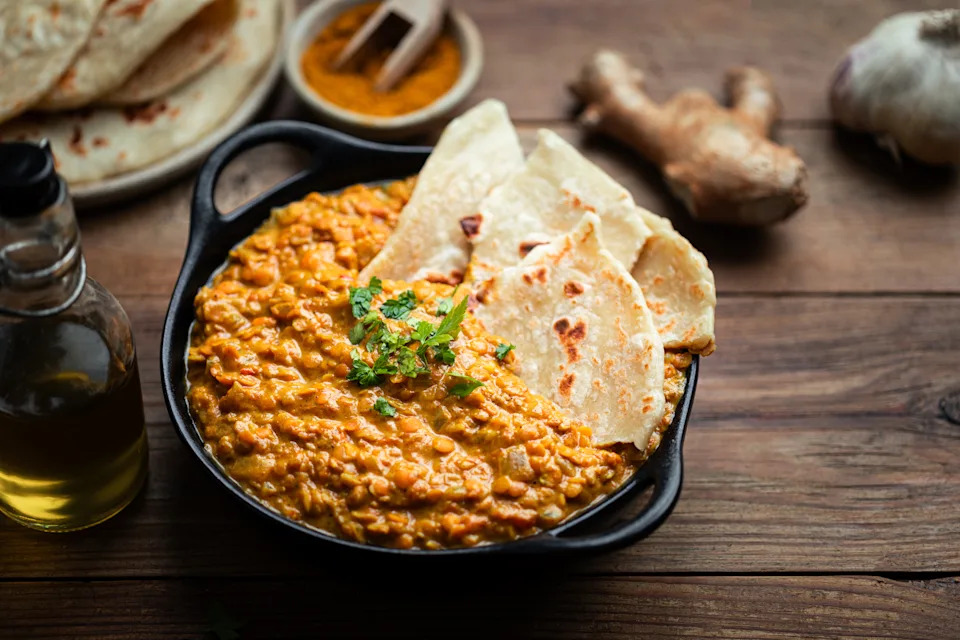
Another great, vegetarian curry is a lentil dahl, which is packed with fibre and flavour.
(Anne DEL SOCORRO via Getty Images)
Lentils once had a bad rap as the dry and bland option you’d get served in an uninspiring vegetarian bolognese but, thanks to the rise of vegan cooking influencers, these humble legumes are enjoying something of a renaissance here in the UK.
Their popularity sparks good things for our health too, as a 100g serving of the cooked stuff contains around 5–9g of dietary fibre depending on the variety.
As an excellent source of B vitamins, iron, magnesium, potassium and zinc, lentils also pack a punch when it comes to a wide variety of nutrients we need from our diet. Studies have even linked them to a lower overall risk of heart disease, as they contain a decent amount of polyphenols – compounds with powerful antioxidant and anti-inflammatory properties.
They’re also a very cheap way to bulk out curries, chillies, lasagnas, ragus and many other meals.
4. Raspberries

Raspberries are one of the best sources of fibre you can find in the fruit aisle.
(FreshSplash via Getty Images)
Often overlooked in favour of sweeter berries like strawberries and blueberries, raspberries are secretly one of the most powerful high-fibre fruits you can add to your basket.
Just one cup (approximately 125g) of fresh raspberries provides a substantial 8g of dietary fibre, making them one of the richest fruit-based sources available. That’s over a quarter of your recommended daily intake in a single handful of berries.
Their tangy–sweet flavour also makes them incredibly versatile in many different dishes. Sprinkle them on porridge or yoghurt in the morning; dollop them on a chia pudding; or enjoy them straight from the punnet as a naturally high-fibre snack. You can even freeze them for later use in baking or desserts.
2 foods surprisingly low in fibre
1. Cucumber
Cucumbers are a popular sliced staple in everyday salads and sandwiches but, when it comes to fibre content, they’re lacking. A 100g serving of raw cucumber (even with the fibre-rich skin left on) contains less than 1g of fibre.
That’s not to say cucumbers should be nixed from your diet; as they’re low in calories and high in water, they can aid with hydration and feeling full. But if your priority is to increase your daily fibre intake, it’s worth pairing them with heartier vegetables like kale, broccoli or roasted chickpeas to amp up the plant-based points.
2. Iceberg lettuce
A classic in everything from burgers to side salads, iceberg lettuce is often the go-to leafy green for UK households. However, in terms of fibre, it’s more of a “nice-to-have” than a main event. With only around 0.9g of fibre per 100g, it falls fairly short compared to darker, leafier greens like spinach or rocket.
That said, its crunch and mild taste can be a good base for building a more fibre-rich plate, especially when it comes to fussy children who don’t like trying new things.
Try mixing it with other salad greens, or tossing in lentils, seeds or grilled vegetables to boost the texture and nutritional value of your side dishes.
Can I just take a fibre supplement instead?
While fibre supplements may be easy and convenient, health experts say it’s always best to get your fibre from food. That’s because foods packed with fibre also contain extra vitamins, minerals and other nutrients your body needs to function well.
Real plant foods also feed a wider range of beneficial gut bacteria, which support everything from digestion to immunity and mental health.
Not sure how much fibre you’re actually getting? A good rule of thumb is to check food labels in the supermarket. Generally, 3g of fibre or more per serving is considered a decent source of fibre, while 6g or more makes it a high-fibre option. Keeping an eye on these numbers can make hitting that elusive 30g daily target a whole lot easier.
First Appeared on
Source link






