


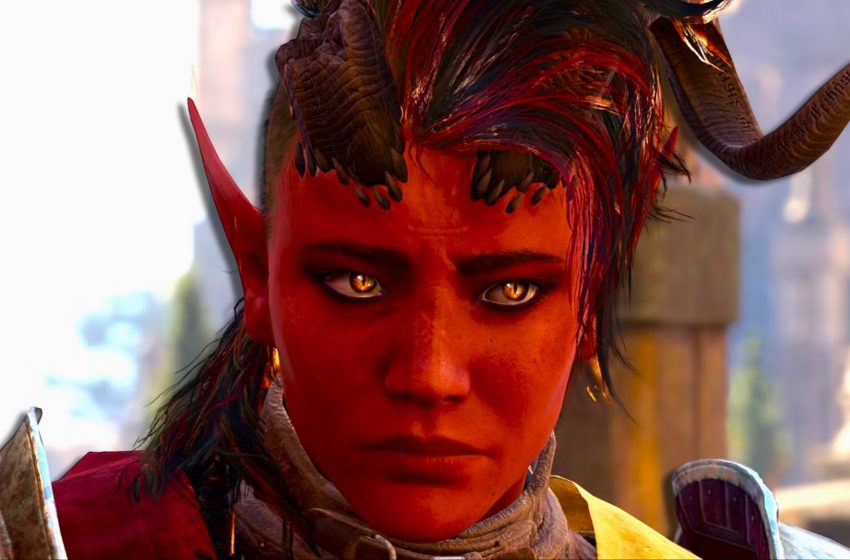
Baldur’s Gate 3 Made Me Stop Buying Games
Baldur’s Gate 3, the epic, legendary, all-encompassing RPG that was a must-play in 2023 and remains one to this very day, had eluded me for a considerable amount of time until recently. It was one of those games that sat collecting dust on my shelf, watching me as I paced back and forth in a never-ending battle with myself over what to play. It haunted my backlog, each hour of its 100+ long adventure taunting me. I wanted to play it so badly, and yet, something always held me back.
Recently, that all changed. I was compelled to pick it up, install it, and actually get through the character creation screen without arbitrarily deciding to quit. Now, dozens of hours deep, I find myself in a surprising position. Where I had expected to have fallen head over heels with Baldur’s Gate 3, I instead find myself questioning my entire relationship to video games, my spending habits, and, most importantly, my backlog. Baldur’s Gate 3 may not have impressed me as much as I had hoped, but it has taught me an important lesson I feel more gamers may benefit from learning.
Baldur’s Gate 3 Didn’t Live Up To The Impossible Expectations
It is important to note that a major contributor to my newfound revelation is my perhaps unsurprising disappointment when playing Baldur’s Gate 3. That isn’t to say that Baldur’s Gate 3 is even remotely terrible. Indeed, that couldn’t be further from the truth. As many will tell you, BG3 is one of the most engrossing RPGs ever conceived, in large part thanks to Larian’s dedication to ensuring there are at least a dozen different ways of approaching each quest, at least 90% of which you’ll never think about or know exist. There is a reason many believe no one will ever make a game like BG3.
However, as much as I adore finally having great romancable characters who don’t make me cringe every time they come on to me, and as much as I have found myself gleefully whiling away the time exploring ancient ruins, slaughtering goblins, slaying evil hags, and laughing every time Wyll tries to be my friend, Baldur’s Gate 3 simply hasn’t had me quite as gripped as it seemingly has everyone else. It isn’t Baldur’s Gate 3’s fault, mind. After all, I waited two whole years to play it, during which the hype surrounding it built, and countless friends lavished it with endless praise. It was never going to be as good as my lofty expectations had hoped it would be.
Of course, it is this slight disappointment, the frustration at not quite grasping what everyone else had two years prior, that led me to finally stop buying so many games. After all, were it not for the expectation and hype surrounding Baldur’s Gate 3 ultimately letting me down, I’d have never realized both the futility and pointlessness of the entire concept of a backlog and the idea of buying games I’m simply never going to play.
The Idea Of A Backlog Must Die
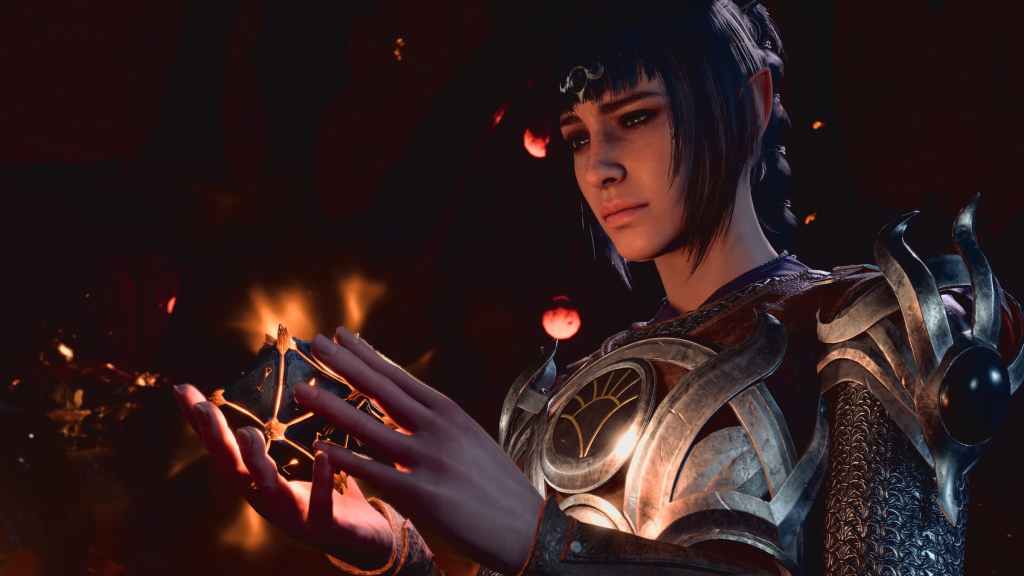
When I bought Baldur’s Gate 3 over a year ago, I was genuinely interested in playing it. At the time, however, I was several hours deep into Final Fantasy 16, a game I would ultimately abandon in favor of yet another RPG. So, I held off playing it, initially for that playthrough of FFXVI, then for the next game, and so on and so forth, constantly wanting to play RPGs shorter than BG3 because I didn’t feel as if I could devote so much time to it, just yet. Naturally, that initial interest, the feeling that had spurred me to spend so much money on it in the first place, waned substantially.
It meant that, by the time I actually got around to playing Baldur’s Gate 3, whatever had driven me to want to like it in the first place was all but gone, and, in its place were lofty expectations and an uneasy acceptance that now was potentially the right time to play it. As a result, I have found myself feeling mixed about a game that, had I just played when I bought it, would have probably loved. And therein lies the fundamental issue with backlogs. Of course, even aside from this, the whole concept is flawed as it implies a sense of commitment to a task rather than an enjoyment of a hobby.
We create backlogs because we want to experience all kinds of art, either for personal goals, a belief that it’s a requirement, or a need to fit in. Yet, to make it into a task that causes stress, anxiety, and ultimately a sense of failure and a need to rush rather than one of joy is unnecessarily pointless. However, I’ve known all of that for a while, but the desire to complete more, to play the games my friends recommend, that YouTube video essayists claim are the best, or those which genuinely interest me, was simply too great.
Which is why this realization that backlogs are built on the concept of waning interest was so important to me. Playing Baldur’s Gate 3 helped me realize that a backlog is a collection of past lives, former interests, abandoned dreams and goals. It can incorporate games we’re currently excited about, but largely it is a list of games that had a long time ago excited us. The longer they linger, the less interested we ultimately become. What I was interested in two years ago often doesn’t align with what interests me now. I realized my backlog was simply a graveyard of games I was never going to play, rather than a library of fruitful experiences.
We Need To Stop Treating Gaming Like A Job
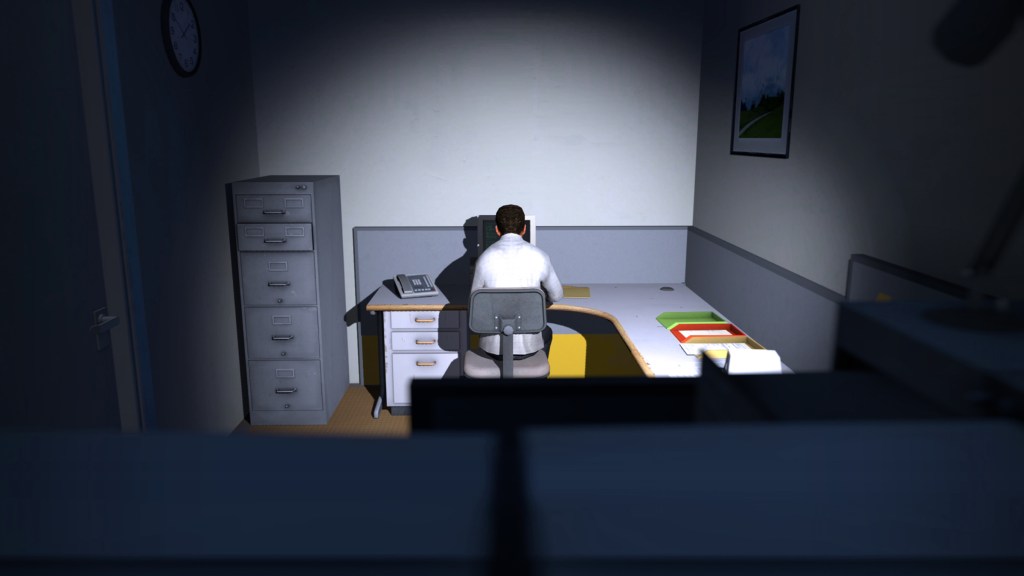
As I grow older and especially as I continue working within the world of games journalism, gaming has started to feel more like a job and less like a hobby. I buy games initially with a spark of hope and excitement, either because it’s a game I want to play, or one I’ve had a vague interest in that’s suddenly deeply discounted. Yet, the longer I leave them, the more they feel like pieces of paperwork building on a metaphorical desk, endlessly towering over me, deadlines well past due. They become an insurmountable task that I actively want to put off, rather than an enjoyable pastime I’m excited to engage with.
Baldur’s Gate 3 was, more or less, the shredder I’ve needed to delete much of that paperwork and start fresh. It was a reminder that not only should games be fun (Baldur’s Gate 3 is, I must stress, fun), but also something I should engage with in a healthy and respectful way. So, I’ve decided to stop buying games, to stop feeding the pile of paperwork, to stop the endless cycle of the backlog. I’ll start playing the games I own, I actually want to play (how have I not played Death Stranding 2 yet?), and sell those I’ve lost interest in.
Of course, I’ll still buy games eventually. If a new one interests me and I can afford it, I’ll buy it and begin playing straight away. Otherwise, I’ll wait to see if I’m still interested by the time I’ve enjoyed those I currently own, and get it then. I think this is the most logical solution to the backlog problem, and an end to the burdensome death of a hobby and the beginning of something exciting and new.
It’s a way to stop the anxiety that should never have been associated with gaming in the first place (sweaty Call of Duty lobbies offer that enough), and instead bring back the joy we all felt before we realized we’re actually born with a never-ending backlog of classics and must-plays we’ll probably never get around to experiencing, let alone enjoying.
Do you have a solution to the backlog problem? Leave a comment below and join the conversation now in the ComicBook Forum!
First Appeared on
Source link






