


First Ever ‘Baby Dinosaur’ Fossil Discovered in China Stuns Scientists!
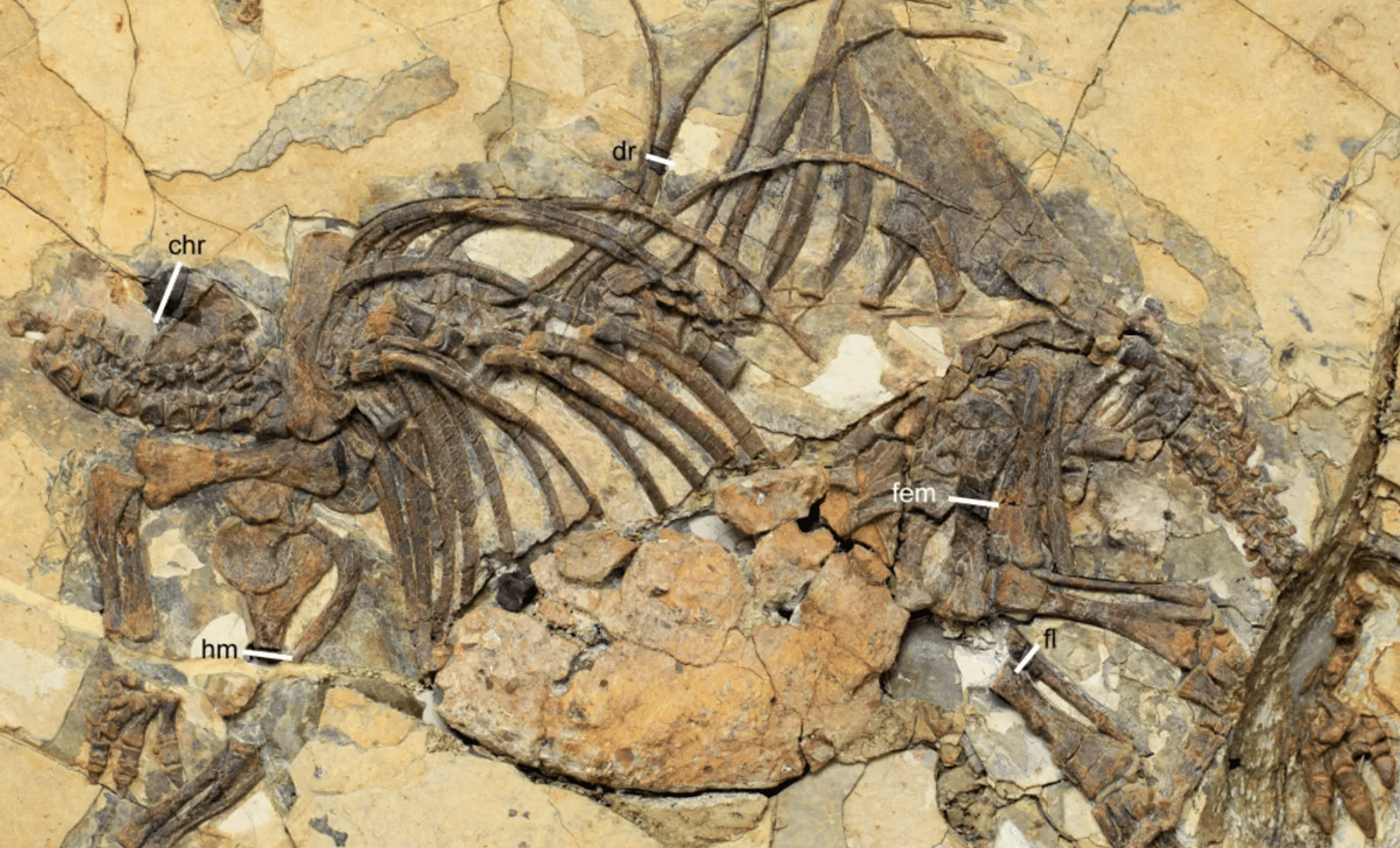
A groundbreaking discovery has recently been made in the world of paleontology: the first-ever ankylosaur hatchling fossil. This 115-million-year-old specimen, belonging to Liaoningosaurus paradoxus, provides a rare and valuable look into the early life of an armored dinosaur. Published in the Journal of Vertebrate Paleontology, the study unveils important findings that challenge previous assumptions about this small dinosaur species.
The Discovery: Unveiling a Unique Fossil
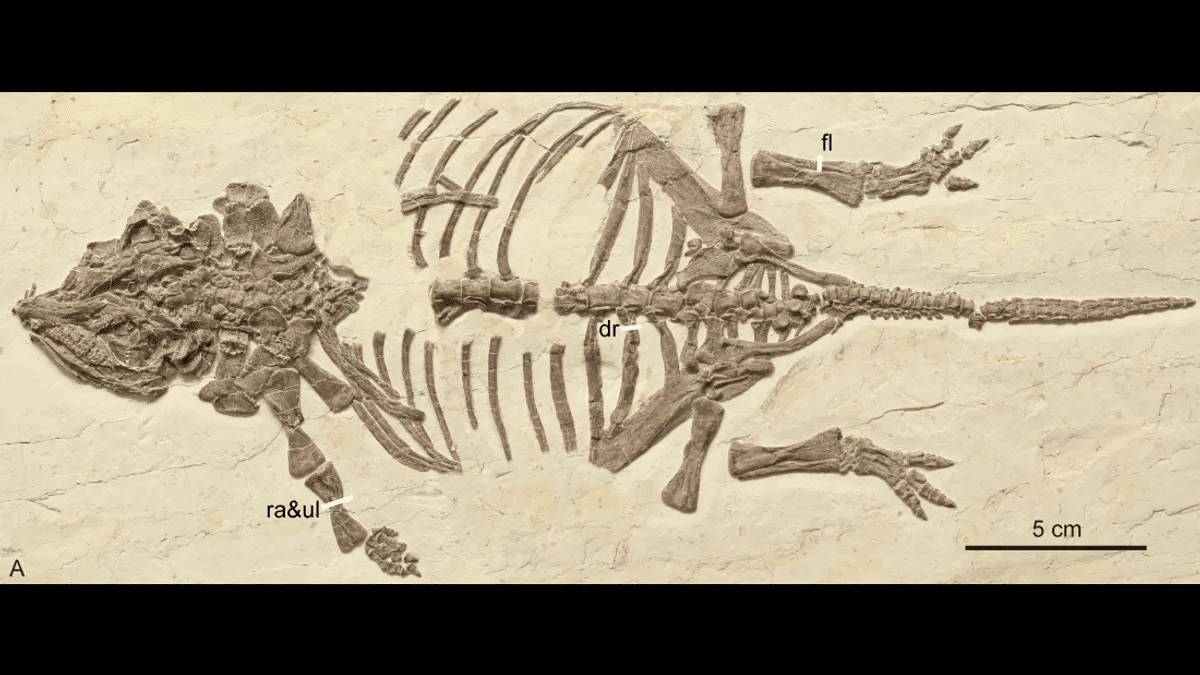
For decades, paleontologists have been studying the remains of Liaoningosaurus paradoxus, a small ankylosaur that lived during the Early Cretaceous period. Prior to this discovery, the fossil record primarily consisted of juvenile specimens, leading to speculation about the size and development of adults. However, the newly identified hatchling fossil—discovered through histological analysis—has changed that narrative. The team of researchers, led by Dr. Wenjie Zheng of the Zhejiang Museum of Natural History, found clear evidence of a “hatching line” on the fossil, confirming that this tiny dinosaur died shortly after emerging from its egg. This marks a significant milestone in our understanding of ankylosaur life stages.
This hatchling, preserved in remarkable detail, offers the first direct evidence of what a young Liaoningosaurus looked like at the time of hatching. The specimen shows rapid bone growth, a hallmark of juvenile dinosaurs, which further establishes it as a hatchling rather than a small adult. As Dr. Zheng told IFLScience, “It is not clear yet… I suspect one possibility is that the juvenile individuals lived near water.” This speculation opens up exciting new avenues for research on how environmental factors may have influenced the development of young ankylosaurs.
Rethinking the Size and Characteristics of Liaoningosaurus
One of the most exciting revelations from this study is the challenge it poses to previous assumptions about the size of Liaoningosaurus. Prior research suggested that this species was the smallest of the ornithischians, a group of plant-eating dinosaurs with a distinct “bird-hipped” structure. This assumption was largely based on the small size of the juvenile fossils that had been discovered. However, the newly identified hatchling suggests that Liaoningosaurus may not have been as tiny as once believed. Dr. Zheng remarked, “We can confirm that Liaoningosaurus is not the smallest ornithischian, as some have suspected.”
The hatchling’s anatomy differs significantly from other ankylosaurs, which may be attributed to its juvenile state. The fact that Liaoningosaurus was so different from its larger relatives in terms of morphology adds to the growing understanding of ankylosaurs’ diverse evolutionary paths. Paleontologists now have a clearer picture of the developmental stages of this species, which will allow them to more accurately reconstruct the life history of these fascinating creatures. These insights, published in the Journal of Vertebrate Paleontology, shed light on how even the smallest of dinosaurs had distinct life stages, from hatching to maturity.
A Window into Dinosaur Growth and Development
The analysis of the Liaoningosaurus hatchling doesn’t just offer insights into the species itself, but also into dinosaur growth in general. The histological analysis performed by the research team revealed microstructures in the bone, including growth rings and vascular patterns. These findings suggest that the hatchling’s bones were growing at a rapid pace, which is typical for juvenile dinosaurs. The “hatching line” identified on the specimen confirms that the hatchling’s life was tragically short, likely due to environmental factors or predation.
Understanding the growth patterns of young dinosaurs is crucial for paleontologists, as it provides a snapshot of how these creatures matured over time. The hatchling fossil offers the first glimpse of what a developing ankylosaur looked like at the histological level. These findings contribute to a broader understanding of how ankylosaurs, as well as other dinosaurs, grew and developed in their early years. By studying the microstructure of bones, scientists can make inferences about growth rates, health, and even behavior in juvenile dinosaurs.
New Discoveries Raise Further Questions About Dinosaur Evolution
While the discovery of the Liaoningosaurus hatchling has answered many questions, it has also raised new ones. The fact that so many juvenile fossils have been found without accompanying adult specimens has long puzzled scientists. With the hatchling discovery, researchers are left wondering why no adult fossils of Liaoningosaurus have been found. Dr. Zheng’s comment,
“I suspect one possibility is that the juvenile individuals lived near water,” suggests a potential clue.
Perhaps the adults lived in different environments, or their remains have simply not been preserved in the same way.
These unanswered questions provide a compelling reason for further research into ankylosaur fossils. The hatchling discovery is just one piece of the puzzle, and future excavations may yield more answers about the life cycles and habitats of these unique dinosaurs. The study opens up new possibilities for paleontologists to explore, particularly in understanding how these armored dinosaurs adapted to their environment and what their developmental stages reveal about their evolutionary history.
First Appeared on
Source link






