


GLP-1 drugs transform lives of people with addiction
Gina Roberts used to have this recurring nightmare: frantic and broke, she would search everywhere for a drink, but always the alcohol would remain out of reach.
The dream would trigger such overwhelming cravings that the next morning Roberts would reach for her favorite pineapple-flavored vodka, some days downing bottle after bottle until she passed out.
Then in February, while staying at a transitional home for Rhode Island mothers in addiction recovery, Roberts again had that dream, only to wake the following day free of temptation.
“These days, I feel reborn,” she said. “The constant voice in my brain that said, `You need a drink,’ is gone.”
Roberts credits her transformation to a bold experiment in addiction treatment from a drug that has already been hailed as a cure for an entirely different struggle afflicting millions of people: the GLP-1 medicines used for weight loss and to treat diabetes.
Betting the same drugs that curb cravings for food will also dampen the rewarding effects of alcohol, cocaine, and opioids, Roberts and 17 other women — each grappling with different addictions — are receiving free weekly injections of GLP-1 drugs under a pilot program by Open Doors, a Rhode Island nonprofit that helps formerly incarcerated and homeless women reintegrate into society.
While not part of a formal scientific study, the pilot has shown extraordinary promise in treating a range of addictions.
In interviews, Roberts and others described the effects of the weight-loss medications as almost magical and transformative. Women who had been drinking excessively or using illicit drugs for a decade or more said their addictive cravings diminished within weeks, or even days, after taking the injections. Mothers who once believed their lives were beyond repair are reuniting with their children, securing stable housing, and pursuing careers they never imagined possible just a year ago.
Several of the women said the GLP-1 medications had a similar effect: It quieted the chaos in their brain and enabled them to think through their actions rather than respond impulsively to their cravings.
“Alcoholism, and drug addiction, is like a record playing in your mind,” said Dr. Steven Klein, who prescribes the GLP-1s for the women in the Open Doors program and is an addiction physician at the nonprofit Caron Treatment Centers in Wernersville, Pa. “What these medications do is lift the needle off that record long enough that we can teach you another song.”
For years, scientists have known GLP-1s medicines lessened the rewarding effects of addictive drugs, including alcohol, nicotine, and opioids, in laboratory rodents. The key ingredient is semaglutide, a compound that activates receptors found in regions of the brain that influence motivation and reward, scientists have found.
Now, a small but growing number of studies suggest the same may be true in humans.
A 2024 retrospective analysis of 33,000 medical records of people with type 2 diabetes found patients who received the obesity drug Ozempic had roughly one-third to half the risk of overdosing on opioids compared to patients on other diabetes medications. Another recent study of health records of nearly 600,000 patients with diabetes found those treated with semaglutide had a 50 to 56 percent lower risk of new or recurring alcohol use disorder. And a small randomized clinical trial found patients with opioid use disorder who took an older form of GLP-1 known as liraglutide experienced a 40 percent reduction in opioid cravings compared with a placebo.
“It feels like it can be too good to be true,” said Dr. Joji Suzuki, director of addiction psychiatry at Brigham and Women’s Hospital in Boston, who is leading two clinical trials of GLP-1s for alcohol and opioid use disorders and is not involved in the Providence program. “But there’s growing evidence that GLP-1s really quiet down the wanting, the craving, and the seeking — whether that’s food or drugs.”
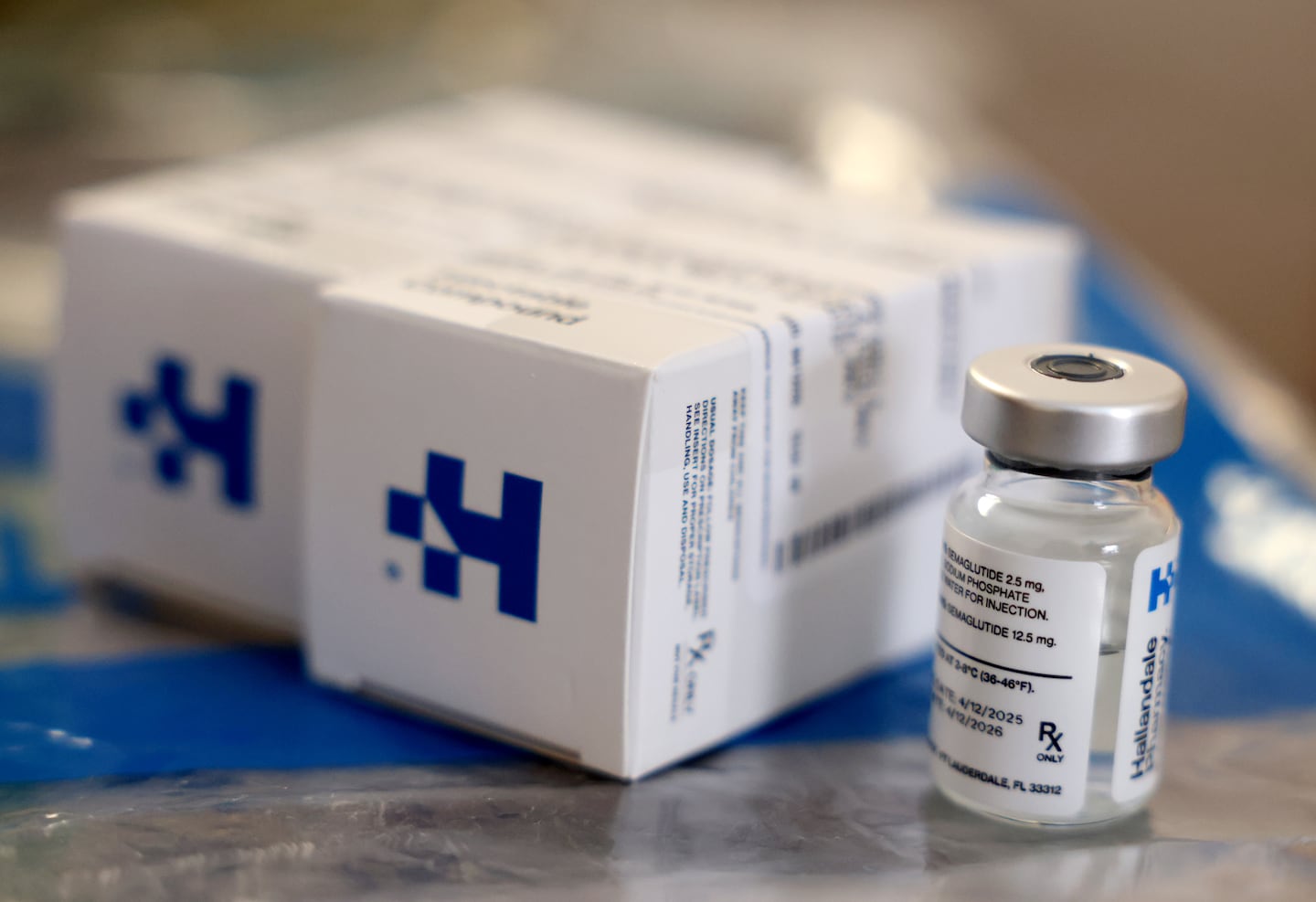
Yet for the women involved in the Rhode Island initiative, it is still a bold step into the unknown. The blockbuster weight-loss medications such as Ozempic and Wegovy have yet to be approved by the Food and Drug Administration for drug and alcohol addictions, which means they are getting the injections through off-label prescriptions. Health insurers do not cover the medications for that purpose, and there is no guarantee the women will be able to access the injections once the grant funding for the pilot program’s medications runs out over the next year-and-a-half.
While early research is promising, some scientists caution it is still preliminary and could fuel unrealistic hopes GLP-1s will serve as a miraculous cure for addictive behaviors.
Among the risks, they say, is the heightened possibility of overdose for those who abruptly stop using the medications. Some have pointed to another medication for addiction, Vivitrol, that is widely used in the criminal justice system to help prisoners with opioid addictions integrate back into society. Administered by a shot into the buttocks, Vivitrol blocks the brain’s opioid receptors, preventing the feeling of being high, for about 28 days.
Yet years after federal regulators approved Vivitrol for opioid addiction, research studies and news reports found the medication carried a potentially lethal downside: It reduces a person’s tolerance for opioids like heroin and fentanyl. As a result, if a patient stops taking the injections and resumes opioid use, fatal overdoses can occur.
“All options should be on the table, but there are significant ethical concerns with initiating medication for addiction that might not be there for long term,” said Leo Beletsky, a professor of law and health sciences at Northeastern University in Boston. “We need to proceed very cautiously and not treat this as a panacea, because people will relapse.”
Nick Horton, co-executive director of Open Doors, said the pilot significantly reduced its costs by receiving semaglutides from compounding pharmacies, which can legally produce cheaper versions of the name-brand drugs. Even so, the pilot is grant-funded, with the money for the medications set to run out within the 18 months.
“Our hope is that people will become stronger in recovery and develop other tools, so they no longer need the medication,” he said.
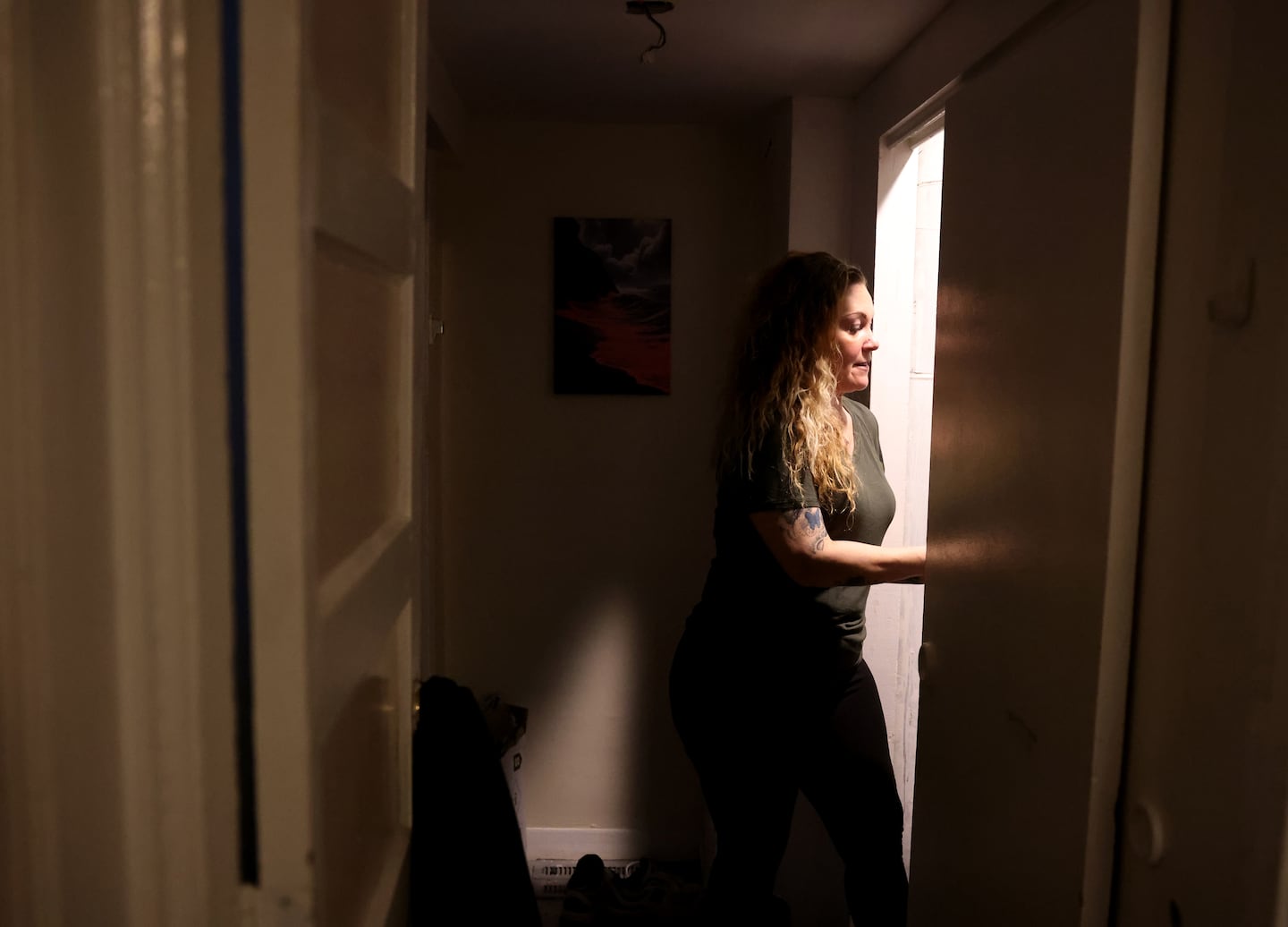
When Jessica Massarone of Coventry, R.I., first heard that GLP‑1 medications could ease her cravings, the longer-term consequences mattered less than the urgent need to stay sober. All she could focus on was the hope of immediate relief from a 16-year struggle with cocaine addiction — which resulted in multiple arrests and the painful removal of her three children, now teenagers, from her care.
Massarone, 43, who once had a promising career as an early childhood educator, spent much of her 30s cycling in and out of inpatient treatment centers, only to confront a familiar obstacle: The only FDA-approved medications available were for opioid addiction and did little to curb cravings for stimulants like cocaine. She is hardly alone: Of the estimated 48 million Americans with a substance use disorder, only 3 percent take a medication to address it.
To feed her addiction, Massarone drifted into shoplifting and breaking and entering strangers’ homes and was arrested more than a dozen times. In 2019, she nearly died after injecting a batch of powder that turned out to be fentanyl, a powerful synthetic opioid that is lethal even in tiny amounts. She was taken to jail for drug possession and her three children — Jacob, 14, Sophia, 14, and Olivia, 17 — were placed in foster care.
“It was this vicious cycle — just over and over and over again,” she said. “Every time I would get high, things got worse for me. It always got worse.”
Then last May, Massarone was living in a sober home in Providence while serving probation, when a representative from Open Doors suggested a medication similar to Ozempic. She listened with skepticism. How could a drug designed for weight loss, she thought, possibly curb cravings for a drug as addictive as cocaine? But that day, Massarone reflected on the birthdays and other milestones she’d missed in her children’s lives while she was high or in jail, and decided it was worth the chance.
“My conclusion was, if I can take a drug that was literally killing me, then why not try taking a drug that could save my life?” Massarone said.
Massarone said the effects were immediate. The persistent inner voice that long urged her to use — “just one more hit won’t hurt,” “no one will notice” — was gone.
The weekly shot has since helped her navigate a minefield of daily triggers, including walking to work at a Subway shop through the same parking lot where she once met dealers and got high. There was a time when the mere sight of a spot like this would set off a visceral, physical reaction, where she would feel her heart racing. Instead, she said a prayer of gratitude and called her counselor.
Now, after 20 months of sobriety, Massarone is mending relationships with her three children and their adoptive parents, who live in a spacious home near her apartment in Coventry. She regularly ferries them to and from wrestling and cheerleading practices, and they have sleepovers at her apartment on Friday nights. Such an arrangement would have been unimaginable two years ago, when she was still deep in the grip of a cocaine addiction, according to the adoptive parents of her children.
In late January, Massarone took a trip with members of Open Doors to Capitol Hill, where they met with 10 members of Congress or their staff, and encouraged them to expand research and access for GLP-1s for treating addiction. For the first time in years, Massarone boarded a plane without hiding cocaine in her luggage or sneaking a hit mid-flight in a restroom.
“The medication has changed everything — every single thing,” she said.
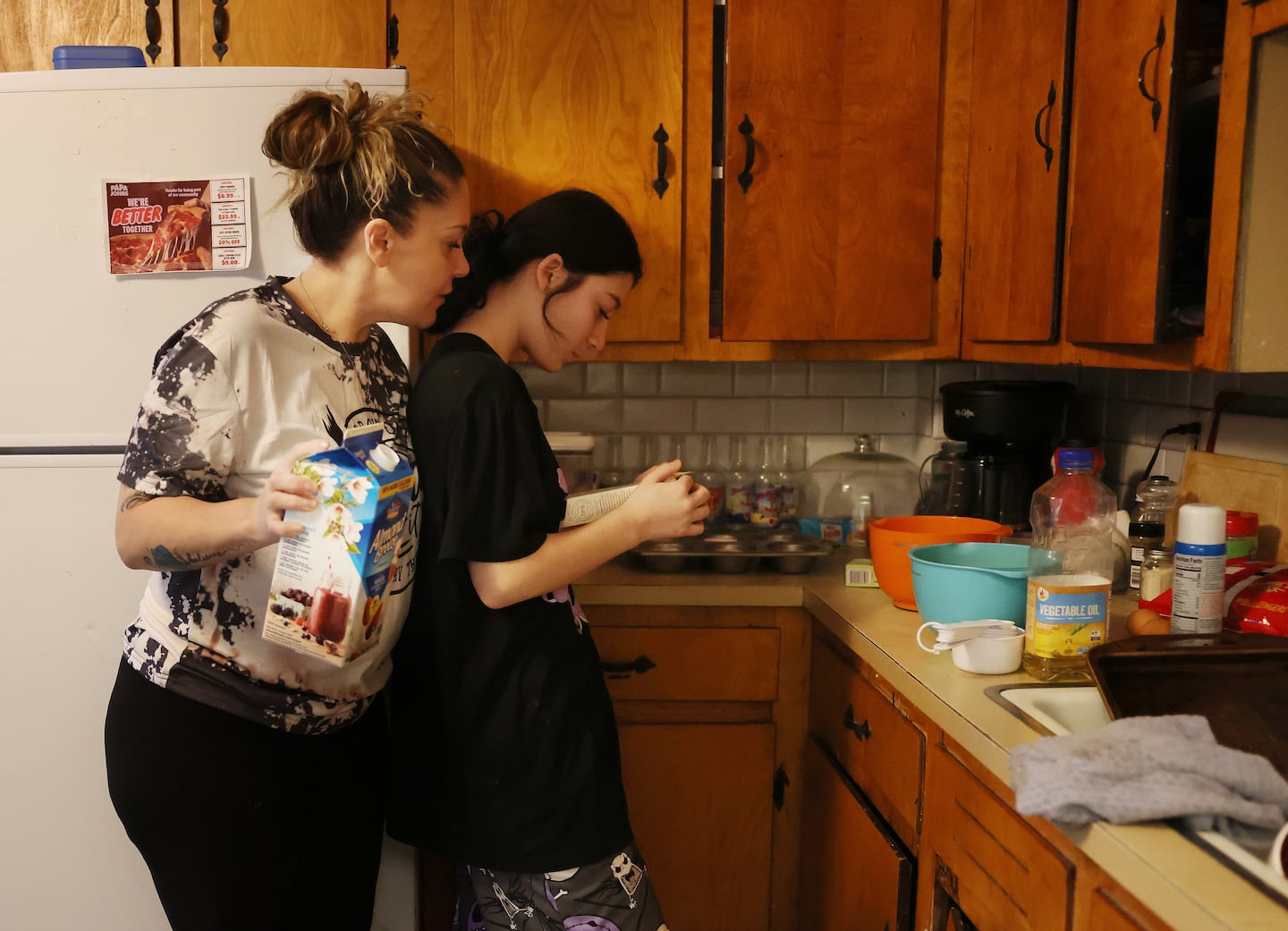
On a recent Saturday, Massarone’s kitchen was alive with the sounds of her teenage children giggling and singing as they baked chocolate cupcakes stuffed with pistachio cream. A light snow was falling outside. At one point, Sophia pulled up an old photo on her phone of her mother when she was still using drugs: Massarone’s face looked hollow, her eyes glassy and veiled by heavy mascara. “I can’t even recognize that person,” said Massarone, pushing the phone away.
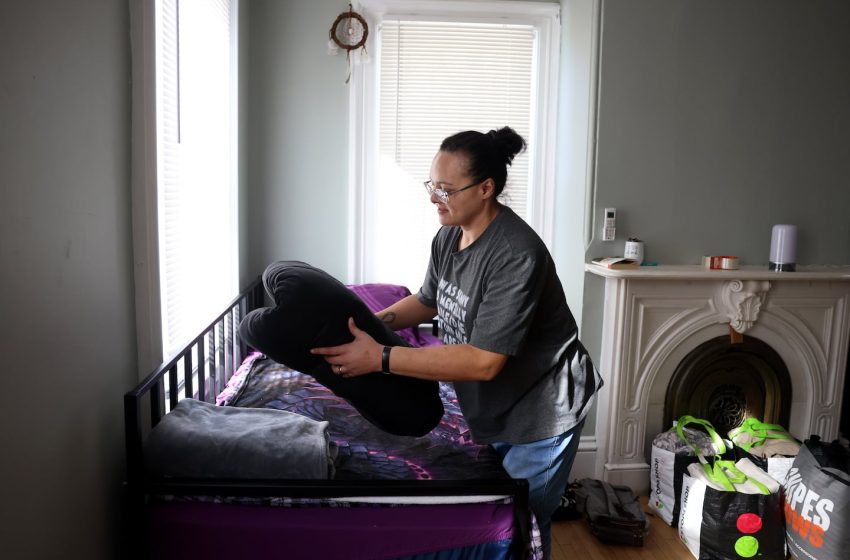
Earlier that same day, Roberts sat spread-eagled on the floor of her brightly-lit new apartment in Cumberland, R.I., slowly unpacking her belongings. Roberts has epilepsy and was feeling lethargic from the effects of a major seizure she had the day before, on her 42nd birthday, that resulted in an ambulance ride and treatment at a hospital emergency room. There was throbbing pain in her upper thigh, where doctors had removed a cancerous tumor when she was 24.
As recently as a year ago, Roberts would have tried to numb the pain on mornings like this by reaching for the bottle. But since beginning treatment in April, the old cravings have nearly disappeared. She boasted of how she walked into a liquor store recently to buy a pack of American Spirit cigarettes and managed to walk out without even thinking of alcohol. Reminders of her past — empty nip bottles on the sidewalk, the smell of alcohol on someone’s breath — no longer triggered her, Roberts said.
“It’s like a mental reprieve,” Roberts said of the medication. “It helps slow down my thinking long enough that I can work through my problems rather than letting my worst impulses take over.”
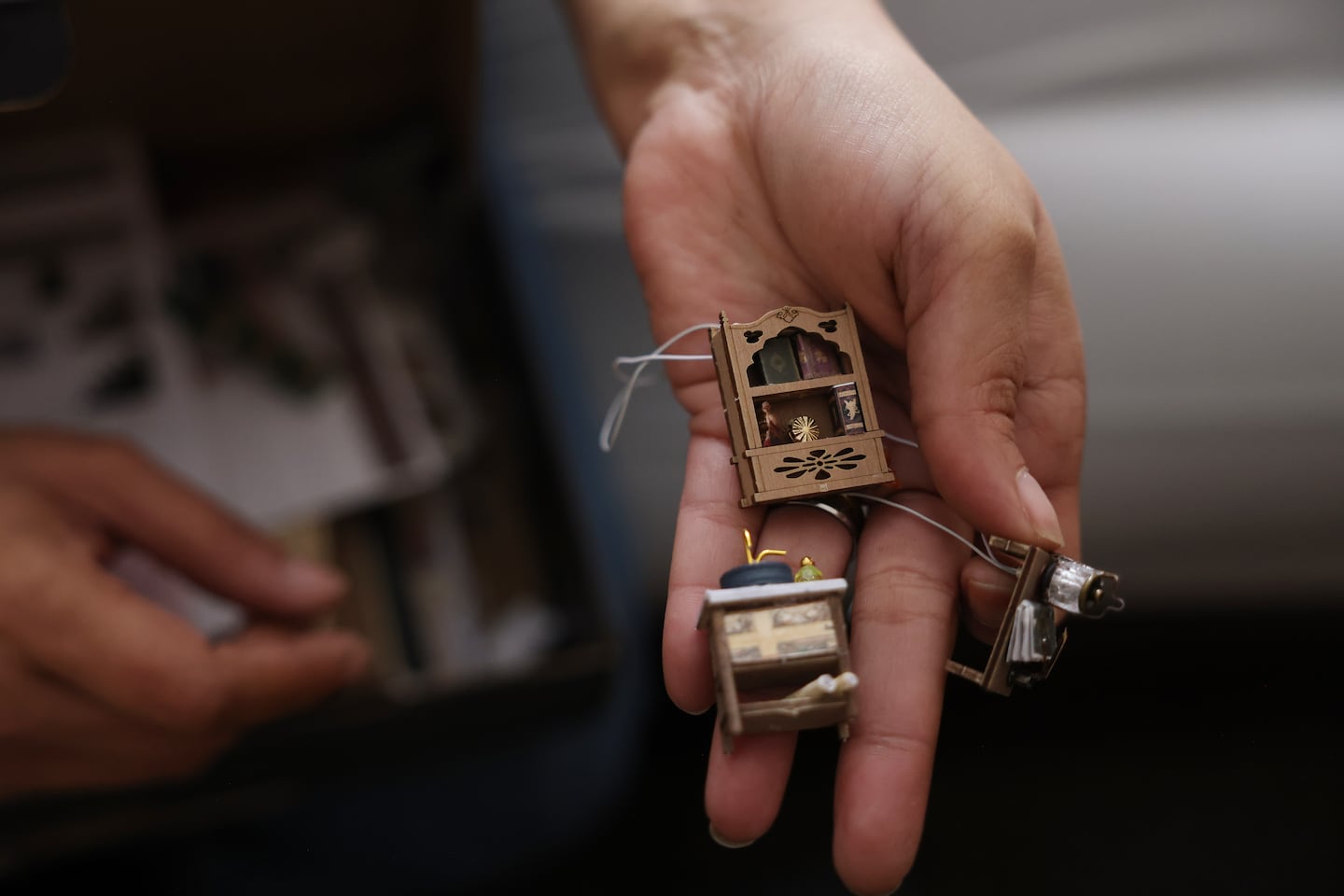
Roberts also credits the GLP-1 medications with sharpening her focus, allowing her to pursue her longtime goal of becoming a caregiver. Last December, she completed a six-week course to become a certified nursing assistant and is seeking work as a home health aide. Roberts also returned to her lifelong hobby of building miniature houses, toiling for hours over the tiniest details, twisting delicate scraps of paper with tweezers to fashion lifelike lilacs.
“It’s cathartic,” said Roberts, holding up a half-finished miniature home with a tiny tea set. “I’m creating my dream home.”
On the morning of her move, in a moment that Roberts saw as fate, she met a woman in her apartment building who also struggled with alcoholism. The woman told her about a nearby Alcoholics Anonymous group that met weekly, and the two promised to carpool together.
“You need a support network, because you can’t depend on the [GLP-1] drugs forever,” she explained.
As she unpacked, Roberts discovered a handwritten letter she had written to her now 14-year-old son, Griphin, who attends middle school in Cumberland, when he was still in foster care. Roberts had yet to muster the courage to give him the note.
“My dear sweet son… when you came into this world, I promised I would always love you,” Roberts wrote. “I think I’ve failed at keeping you safe and taking care of you the way you deserve to be.”
She ended the note by promising to spend the rest of her life making amends to him.
Roberts held the letter in her hands for several quiet minutes before laying it down.
She then folded her son’s clothes into tidy stacks and suspended an oval Native American “dream catcher” above her bedroom mirror — her talisman against dreams shadowed by alcohol.
Chris Serres can be reached at [email protected]. Follow him @ChrisSerres.
First Appeared on
Source link






