


Latest Measles Patient Went To LA County Restaurant While Infectious: Officials
LOS ANGELES, CA — Public health officials are investigating a third case of measles confirmed in Los Angeles County in the last week and warned that members of the public may have been exposed to the illness at a local restaurant.
The most recent patient, who was not identified, had recently traveled internationally. The patient visited at least one public place while infectious: the Mardi Gras Tuesday restaurant on Ventura Boulevard in Sherman Oaks on Jan. 24 from 11:30 a.m. to 2:30 p.m., according to the Los Angeles County Department of Public Health.
People who were at the restaurant at that time may be at risk of developing measles between seven and 21 days from exposure, officials said.
And in another case, an LA County resident who had recently traveled internationally contracted the illness. Authorities have not identified any incidents of exposure to the public in that case.
There have been 588 confirmed cases of measles in the nation as of Jan. 30, the highest number of measles cases in January since the U.S. achieved elimination status in 2000, according to the department. Most of these cases are linked to an ongoing measles outbreak in South Carolina and one outbreak each in Arizona and Utah.
Large swaths of the country are at an increased risk of contracting the highly contagious disease due to falling vaccination rates, according to a study published last month in the journal Nature Health. The measles vaccine was first used in 1963 and combined with mumps and rubella vaccines in 1971.
The researchers analyzed county-level MMR vaccination estimates to determine the level of measles risk locally. In Southern California, two counties are in the “very high risk” category.
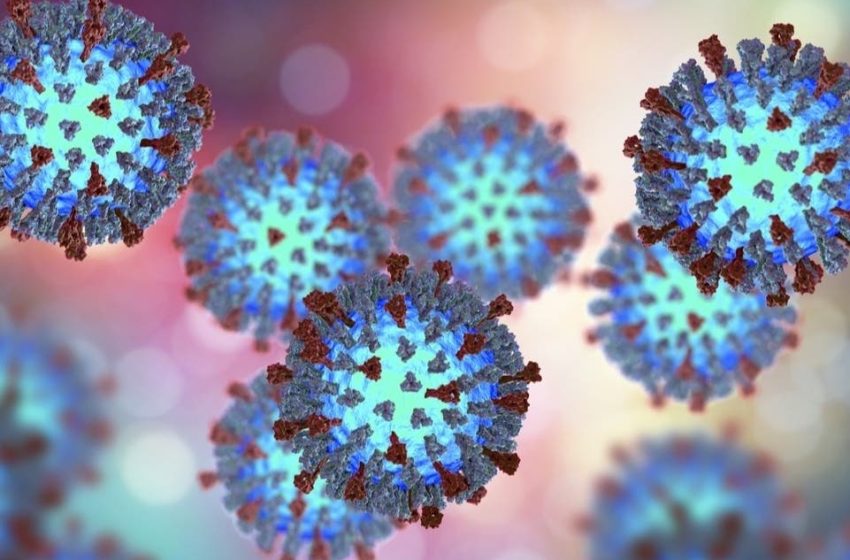
Measles is a highly contagious viral illness that spreads through the air when an infected person breathes, coughs or sneezes, officials said. It can also spread through direct contact with infectious droplets. Symptoms typically include fever, cough, runny nose and red eyes, followed by a rash that begins on the face and spreads to the body.
People should check their immunity status and watch for symptoms, according to authorities, who added that those who are not immunized should talk to a health care provider, and stay home and limit interactions until 21 days after the exposure.
City News Service contributed to this report.
First Appeared on
Source link






