


NASA Confirms China’s Megastructure Has a Hidden Power That Could Slow Earth’s Spin with a Single Move
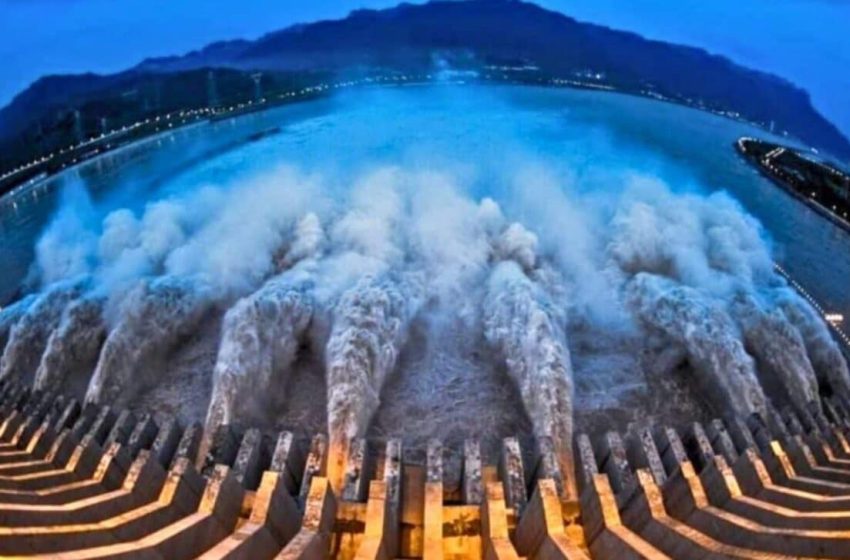
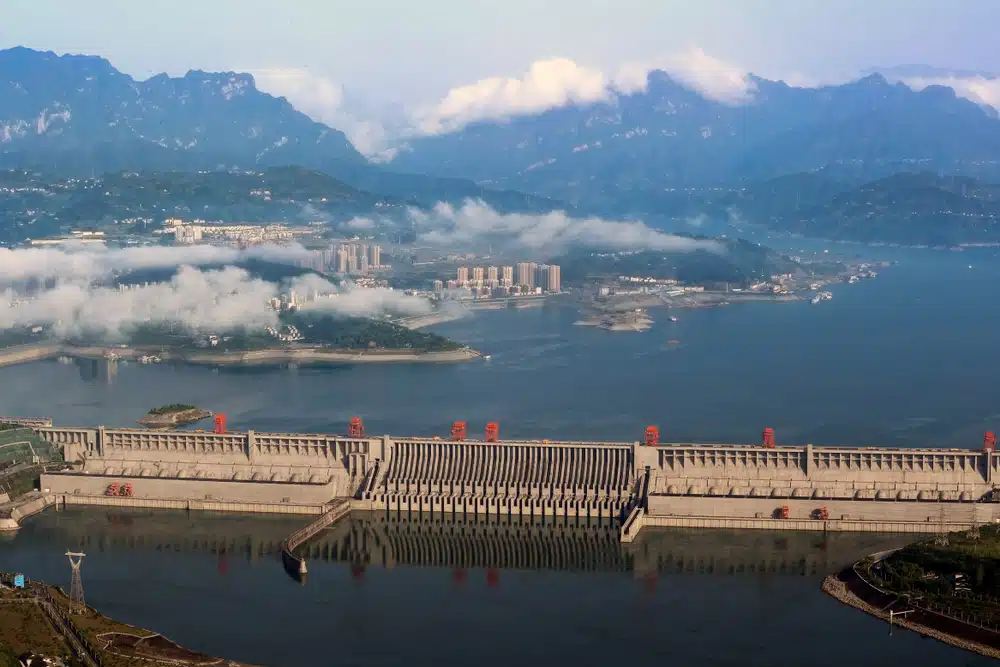
In central China, the Yangtze River is held back by an engineering marvel so massive that it doesn’t just generate power or control floods. It physically alters the planet’s rotation. The Three Gorges Dam, completed in 2012, stretches more than 2,300 meters across and stands 185 meters tall.
Behind it sits 40 cubic kilometers of water, roughly 10 trillion gallons. That water is stored 175 meters (574 feet) above sea level. That altitude matters. Lifting that much mass that high changes how Earth spins.
The dam generates more than 80 billion kilowatt-hours of electricity annually and controls flooding along the Yangtze. It displaced over a million people and altered an entire regional ecosystem. But the most unexpected consequence of its construction has nothing to do with energy or displacement. It has to do with planetary physics.
A NASA Calculation, Not a Warning
The claim traces back to a 2005 study by two geophysicists: Dr. Benjamin Fong Chao at NASA’s Goddard Space Flight Center and Dr. Richard Gross at NASA’s Jet Propulsion Laboratory. They were studying the 2004 Indian Ocean earthquake, which registered magnitude 9.0, the fourth largest earthquake in a century. That earthquake was so powerful it shortened Earth’s day by 2.68 microseconds and shifted the mean North pole by about 2.5 centimeters in the direction of 145 degrees East Longitude.

Chao and Gross calculated that filling the Three Gorges Dam reservoir would lengthen the day by only 0.06 microseconds and shift the pole by about 2 centimeters (0.8 inches). The earthquake also decreased Earth’s oblateness, the flattening at the poles and bulging at the equator, by about one part in 10 billion. The dam would make Earth “very slightly more round in the middle and flat on the top,” according to NASA.
The Physics of a Slowing Planet
“Any worldly event that involves the movement of mass affects the Earth’s rotation, from seasonal weather down to driving a car,” Chao said in the 2005 release. The mechanism is moment of inertia. A figure skater spins faster by pulling arms inward and slower by extending them outward. Earth works the same way.
When mass moves farther from the rotation axis, the spin slows. The Three Gorges Dam moved 40 cubic kilometers of water from its natural resting place to a reservoir 175 meters higher. That redistribution of mass pulls Earth’s rotation slightly. The effect is real but vanishingly small.
The moon’s gravity slows Earth’s rotation far more, about 1.7 milliseconds per century, or roughly 17,000 times the dam’s annual effect. For comparison, the 2004 earthquake shortened the day by 2.68 microseconds, a change too small to detect with instruments but large enough to calculate. The dam’s 0.06 microsecond change is even smaller.
Humans Keep Reshaping Planetary Motion
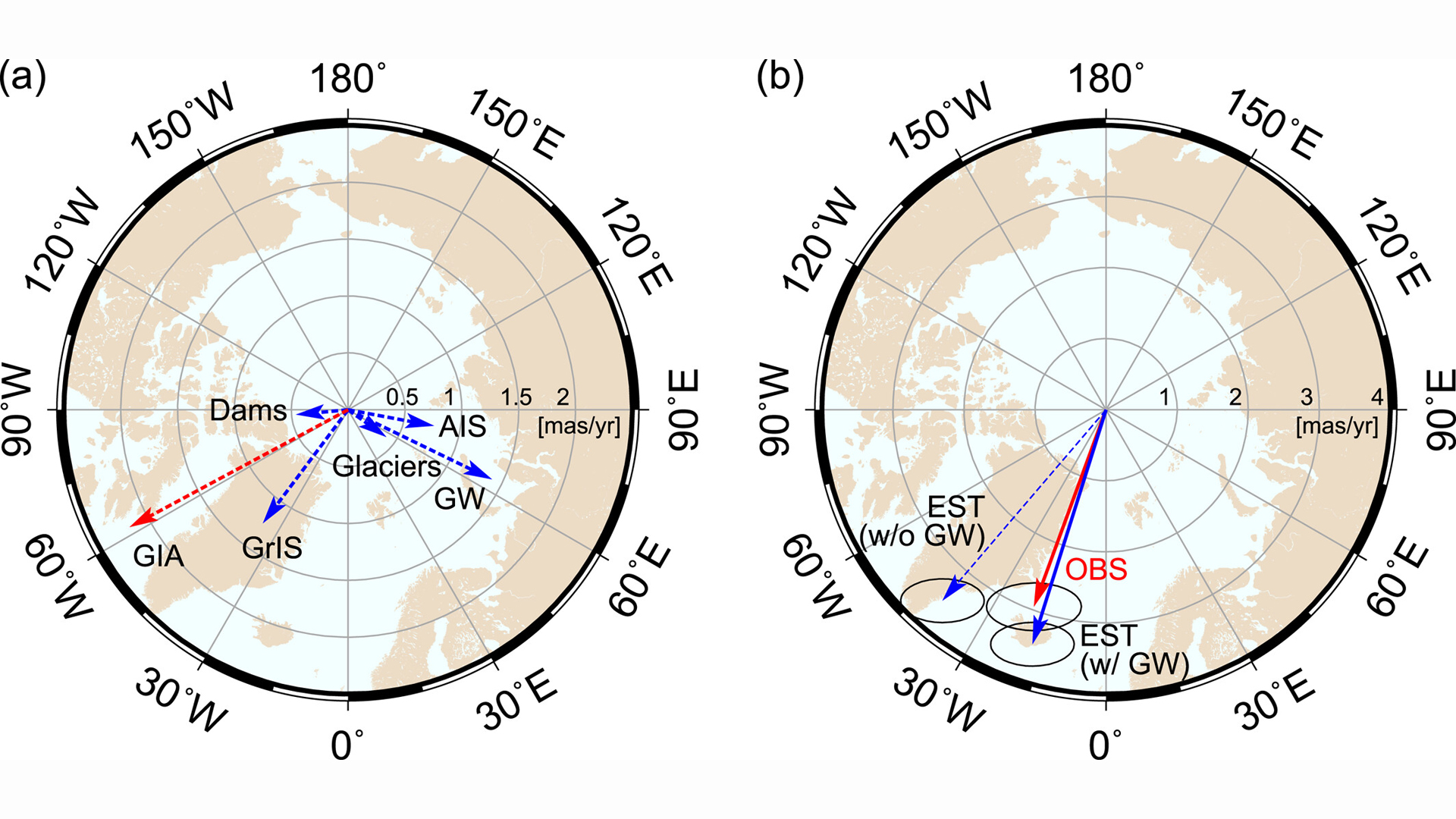
The dam is not the only human project tweaking Earth’s spin. Between 1993 and 2010, the removal of approximately 2,150 gigatonnes of groundwater shifted Earth’s rotational pole 80 centimeters eastward. Climate change also plays a role. As polar ice melts and water redistributes toward the equator, Earth’s rotation slows further.
Greenland and Antarctica’s melting ice caps alter mass distribution in ways scientists can now measure. These changes, like the dam’s effect, are tiny but measurable. They add to a growing body of evidence that human activity now intersects with planetary-scale physics in ways once unimaginable.
Some researchers now discuss whether timekeeping systems might eventually need a “negative leap second“, a minute with only 59 seconds, to account for these cumulative changes. That possibility remains distant. But it underscores how thoroughly human activity now intersects with planetary physics. Gross and Chao have routinely calculated earthquakes’ effects on Earth’s rotation, gravitational field, and polar motion.
What the Dam Actually Means
The Three Gorges Dam’s real, immediate consequences are energy production, flood control, and environmental transformation. The dam’s effect on Earth’s rotation, while scientifically correct, is a footnote. Gross and Chao’s research shows that any mass movement, from earthquakes to seasonal weather, has some effect.
The dam’s 0.06 microsecond change is too small to detect with current instruments, though it can be calculated. That is not a hidden weapon or a planetary crisis. It is simply proof that modern engineering now operates at a scale where physicists must account for it. The same physics that explains a spinning skater also explains a spinning planet nudged by a dam.
First Appeared on
Source link






