


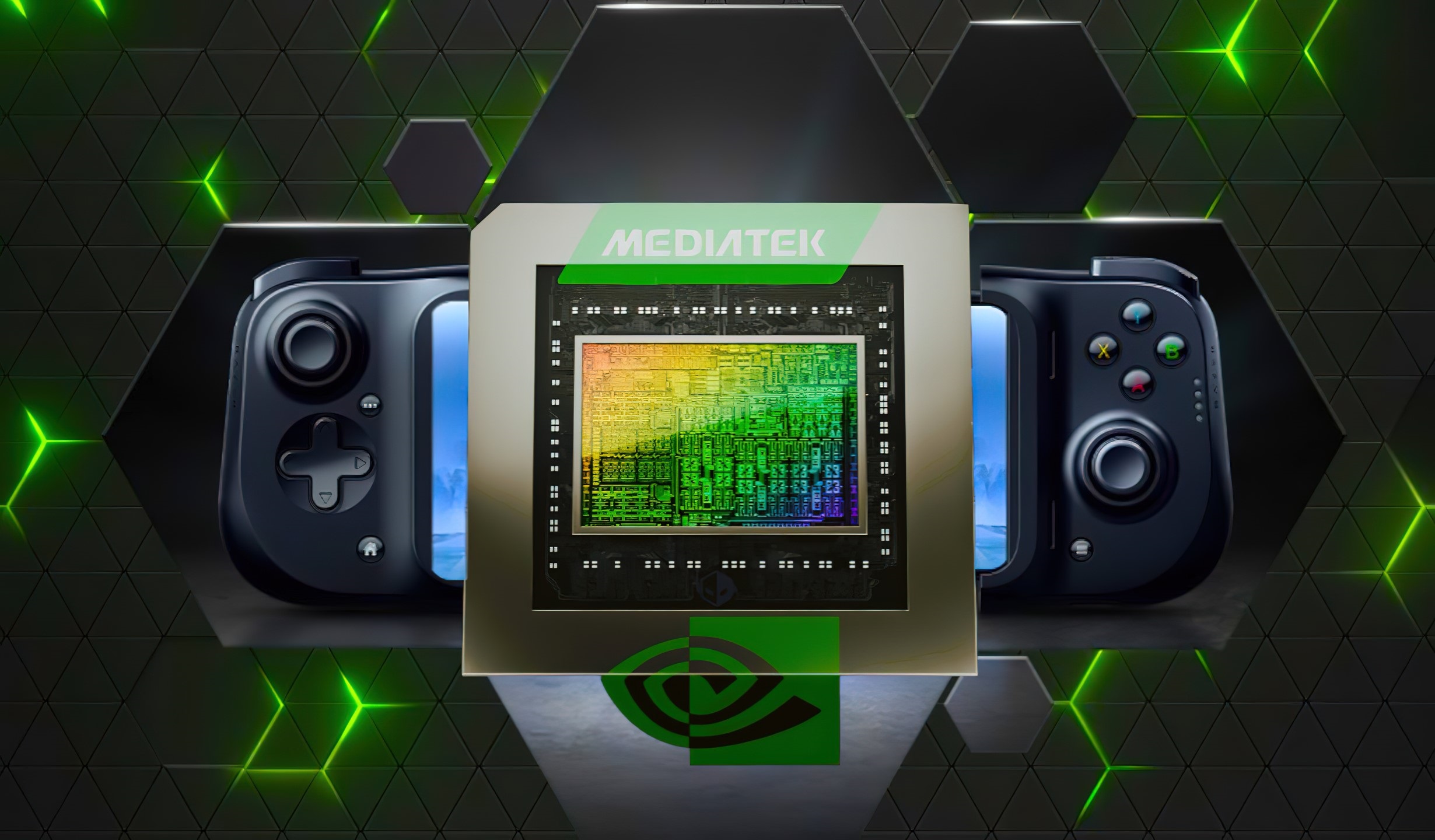
NVIDIA’s Laptop Chips, After a Long-Awaited Build-Up, Are Set to Debut This Year By Q2; N1/N1X SoCs to Challenge x86 Supremacy
NVIDIA plans to release ARM-based laptop chips for the consumer market as soon as this year, featuring the N1/N1X variants, which are expected to dominate the WoA (Windows on ARM) platform.
NVIDIA Also Plans to Offer Next-Gen N2/N2X ARM Chips For the Consumer Markets in 2027
Plans for a consumer chip from NVIDIA have been swirling since last year, following rumors that the company was looking to leverage the ARM architecture to create a laptop SoC. However, it appears the project was delayed, and we instead saw the debut of DGX Spark, which features the GB10 chip and is claimed to be “within the lines” of what one could expect from NVIDIA’s laptop chips. A DigiTimes report reveals that NVIDIA’s N1X chip will debut in notebooks by Q1 of this year, with retail availability by Q2, suggesting we could finally see consumer chips from the AI giant.
For those unaware, the idea of a consumer-oriented ARM platform aligns with NVIDIA’s goal to capture the entire “AI ecosystem”, given that, with N1/N1X, the company intends to deliver leading-edge edge AI performance, positioning it as a “high-end AI computing platform”. The report suggests that consumer chips weren’t released last year because the WoA ecosystem wasn’t mature enough, and that NVIDIA had trouble with chip designs, but we could see new SoCs dropping soon this year.
In terms of specifications, we only know that the upcoming ARM chips will feature TSMC’s 3nm process and a design configuration similar to the GB10 SoC. Interestingly, DigiTimes reports that NVIDIA also has next-generation plans for its ARM platform, scaling up to N2/N2X chips that could debut as soon as Q3 2027 in consumer products. It appears that NVIDIA is taking the laptop chip venture much more seriously, given that it is a segment Team Green doesn’t have much presence in, yet Intel and AMD dominate the market.
The report also discusses NVIDIA’s retail strategy, which relies on OEMs to implement the platform by issuing a reference design. Team Green will have a list of “approved” (AVL) and “recommended” (RVL) vendors, with the latter one focusing on AIBs that aren’t fully verified by NVIDIA. We are currently unaware of how the verification mechanism would work, but the best guess would likely be that partners within the RVL could fine-tune chip specifications, such as tinkering with clock speeds for additional performance.


Given a Q1 timeline, we could see the new chips debut at GTC 2026, which commences in March, and the showcase of retail units could happen at this year’s Computex. Given how NVIDIA has pivoted away from the consumer GPU market, putting up a capable laptop chip platform could put them back on track, potentially allowing them to steal the spotlight from Intel’s Panther Lake or AMD’s Gorgon Point.
Follow Wccftech on Google to get more of our news coverage in your feeds.
First Appeared on
Source link







