


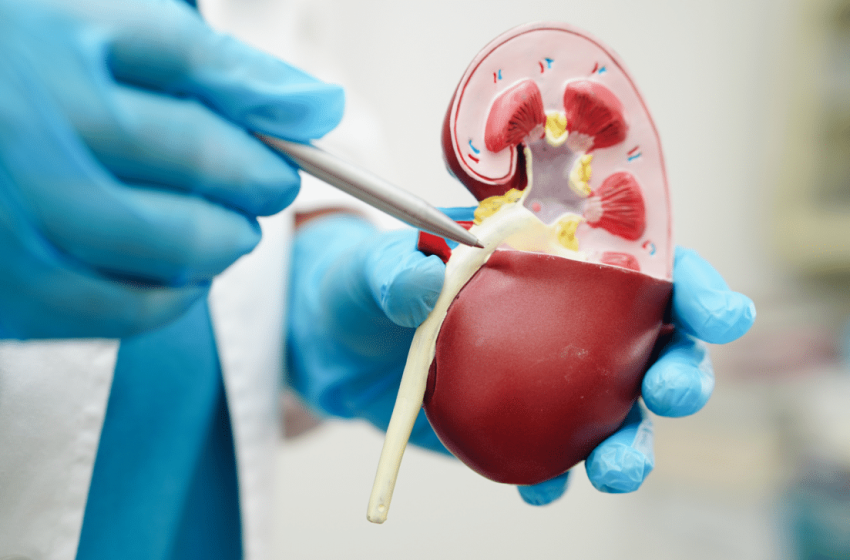
Scientists Just Created a Kidney That Can Be Transplanted to Anyone, Regardless of Blood Type
The ongoing shortage of donor kidneys for transplant has long posed a significant challenge in medical care, often leading to extended waiting periods and increasing patient mortality rates. However, a recent study published in Nature Biomedical Engineering presents a promising breakthrough. Researchers from Canada and China have developed a “universal” kidney capable of being accepted by patients of any blood type. This innovative approach could substantially improve organ availability, reduce waiting times, and enhance the prospects for successful kidney transplants.
The Science Behind the Breakthrough
At the heart of this breakthrough is a method of transforming kidneys from one blood type into another. Researchers, led by biochemist Stephen Withers from the University of British Columbia, utilized special enzymes to strip away specific antigens from the kidney. These antigens, which are present in blood type A organs, are recognized by the immune system and typically cause rejection in patients who don’t share the same blood type. As detailed in the study published in Nature Biomedical Engineering, using enzymes to “snip” these markers, the kidney was converted into a form that resembles type O blood, the universal donor type.
“This is the first time we’ve seen this play out in a human model,” said Withers, adding that the team’s ability to perform this transformation in a living organism was a significant achievement. The engineered kidney survived and functioned for several days in a brain-dead recipient, marking a major milestone in the development of organ compatibility across blood types. This success brings the scientific community one step closer to solving the critical shortage of kidneys for transplant patients.
Overcoming the Challenges of Blood Type Matching
The ability to match kidneys with patients of different blood types has been a significant barrier in organ transplantations. People with type O blood, for instance, make up a large portion of the transplant waiting list but face extreme difficulty in finding suitable organs, as kidneys from type O donors are in high demand. In contrast, kidneys from donors with blood types A, B, or AB can be used by people with specific blood types but are often rejected by those with others.
Current methods that involve training a recipient’s immune system to tolerate a kidney from a different blood type are expensive, time-consuming, and risky. The existing procedure requires a living donor and often results in less-than-optimal outcomes. The researchers’ new method of creating type O kidneys could bypass many of these challenges, opening the doors to a more efficient and widespread transplant process.
“It gives us invaluable insight into how to improve long-term outcomes,” Withers stated. The hope is that this innovation can help not only match more organs but also ensure that these organs continue to function effectively for longer periods.
The Future of Universal Kidneys: What’s Next?
Despite the promising results in animal models, the path ahead remains filled with challenges. For example, the transplanted kidney began to show signs of reverting to its original blood type by the third day, which triggered an immune response. While the response was less severe than expected, it does indicate that further work is needed to ensure the long-term viability of these kidneys. The research team is aware of these hurdles but remains optimistic about overcoming them with further testing and refinement.
“This is what it looks like when years of basic science finally connect to patient care,” said Withers. He added that seeing their work edge closer to real-world impact is what keeps the team motivated to push forward. The long-term goal is not only to make kidney transplantation more accessible but also to ensure that patients who receive these organs experience better outcomes and fewer complications.
First Appeared on
Source link






