


The Swiss clinic that helped me sleep again — and lose weight
My interest in sleep, some may say, borders on obsession. Sometimes it consumes me to such an extent that I can’t sleep for thinking about it.
Last year I’d had enough of the endless magnesium tablets, eye masks and temple soothers and took up the promise of the Chenot Palace Weggis clinic in Switzerland to help me sleep better. Detoxing and achieving a longer life were also part of the package.
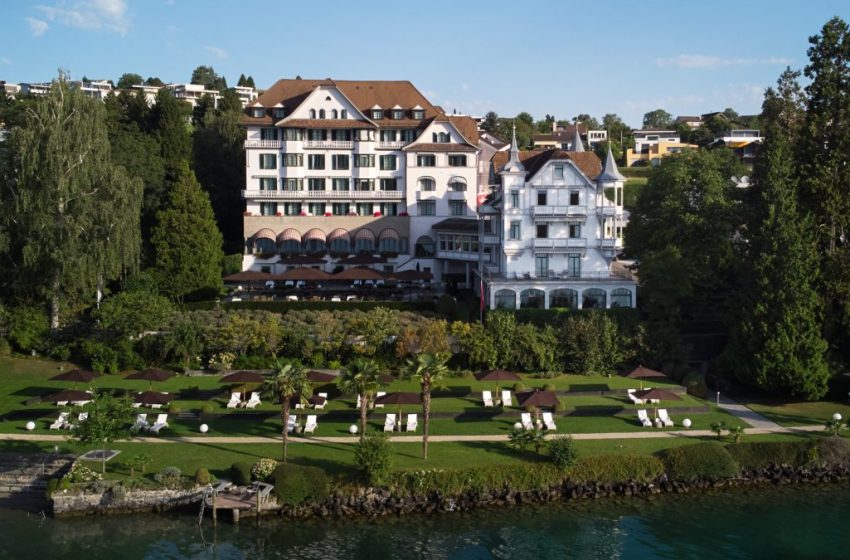
Chenot is perched on Lake Lucerne; a frosted fairytale palace that looks so aggressively beautiful it feels as if the scenery is judging your posture. It’s known for its highly regarded practitioners and nutritionists, and has attracted everyone from Naomi Campbell to Luciano Pavarotti.
Inside, though, it’s a judgment-free zone. The staff are all smiles, urban-cool uniforms and friendly efficiency. They are devoted to delivering the medispa expertise of the Henri Chenot plan: a three-step prevention-is-better-than-cure detox infused with state-of-the-art science and technology. I’m doing the Recover & Energise with Sleep Cycles programme, based on its core detox plus additional and highly targeted treatments. I can’t wait.
The wellness-centred hotel has sweeping views of Lake Lucerne
GG ARCHARD
I’m shown to my “sleep optimised” room — a deliberately snug single with a lake view from the side window. It has an enveloping bed, a television and an armchair. A cynic might say it’s a good use of a small bedroom. I, however, choose to lean in to its cosseting feel, though during the lengthy introduction to how it all works I ask for a desk and chair to be reinstated so I have somewhere to work. This causes a knitted brow and concerned look. Working — especially in the room in which I am sleeping — is a Chenot-no. I pretend I’ve seen neither expression and turn my attention to the rest of the room.
What you need to know
• 33 of the best spas in Europe
Designed for an optimal sleep environment
I’m pleased to see blackout curtains. Of course when bedtime arrives, for which I have somehow managed to turn down the turndown service, I cannot work them. (A kindly member of staff comes to my aid. I don’t miss the turndown service again.)
Room temperature is key when it comes to sleep — the smart thermostats are set between 18C and 20C to facilitate the body’s natural drop in core temperature, which is the biological green light your brain needs to start churning out the hormone melatonin. Unfortunately I can’t bear air conditioning and prefer to sleep at air temperature, no matter how low it gets, so I turn it off and hope for the best.
On the bedside table is a phone (provided with the room) on which is installed the NuCalm app with different audio options. I can choose from all sorts of shut-eye soundtracks, from DeepSleep right through to Rescue (for a light doze). What is the BPM of the PowerNap music, I wonder?
There is also an iPad of alarms — mountain streams and bird song — linked to the ceiling lights, which are designed to expose guests to as much light as possible, as early as possible. The question I fall asleep pondering is not when will I fall asleep, but rather, how on Earth did people sleep before technology?
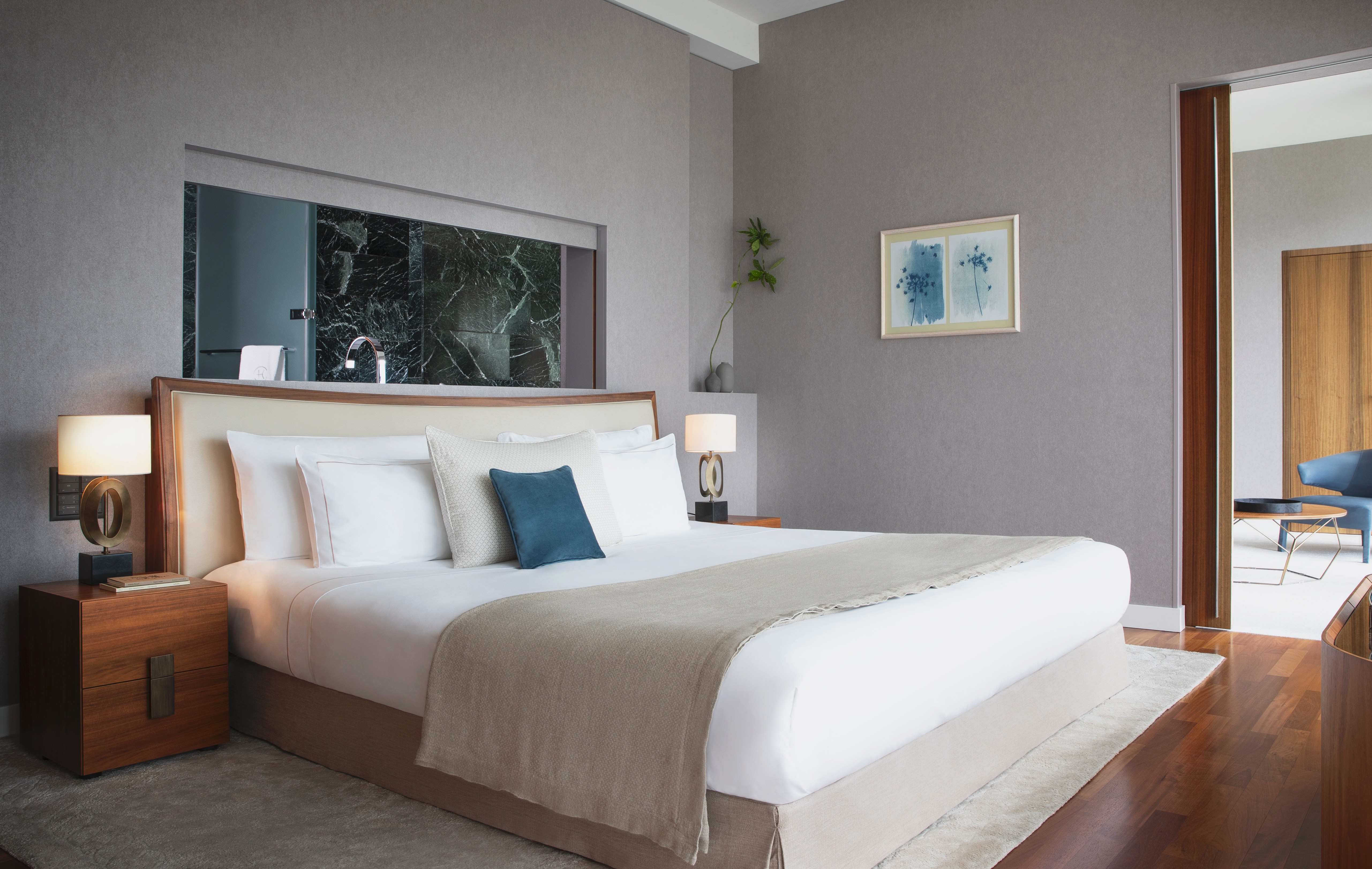
The rooms have been designed to optimise sleep
Next morning, instead of the “forest glade with dappled sunshine” I’d scheduled, I’m somehow rudely awoken by a soundtrack of “techno white-room torture”. I spend a panicked five minutes trying to turn that off as my own BPM rate reaches an all-time high.
One element of the sleep routine I immediately warm to (if not physically) is the swanky sleepwear by the Swedish brand Dagsmejan. It promises to regulate your temperature overnight while also being stylish, is laundered every day, and is mine to take home (sadly I can confirm that it’s not quite so desirable when it requires washing yourself).
• 10 of the most beautiful places in Switzerland
But back to the programme. Owing to all the tech confusion, I don’t sleep well the first night, but my rude awakening means I’m wide-eyed long before breakfast, so I head out for a dip in the icy waters of Lake Lucerne. I am a sometime wild swimmer, so have some of the gear and a vague idea. I pad out via the hotel’s access corridor in my wetsuit swimsuit, bathrobe and bobble hat, clutching my neoprene gloves and socks.
Unfortunately, somewhere along the way, I lose a sock. Shivering on the shore, I decide it is too much to discard the remaining one and instead will treat one foot to it today and the other tomorrow. It works, after a fashion. I shriek on entry (air temp: -2C; lake temp: feels like -10C), glad that there is no one else around to hear my strangled cries as I inch in, releasing Wim Hof-like out-breaths. I last about five minutes, until I lose the feeling in my bare foot and swim back to shore. As I clamber out, I exchange pleasantries with a sylph-like Swiss national, clad only in a string bikini. I glance over my shoulder to see her standing silently in the water, hands clasped together in prayer, clearly there for the long haul.
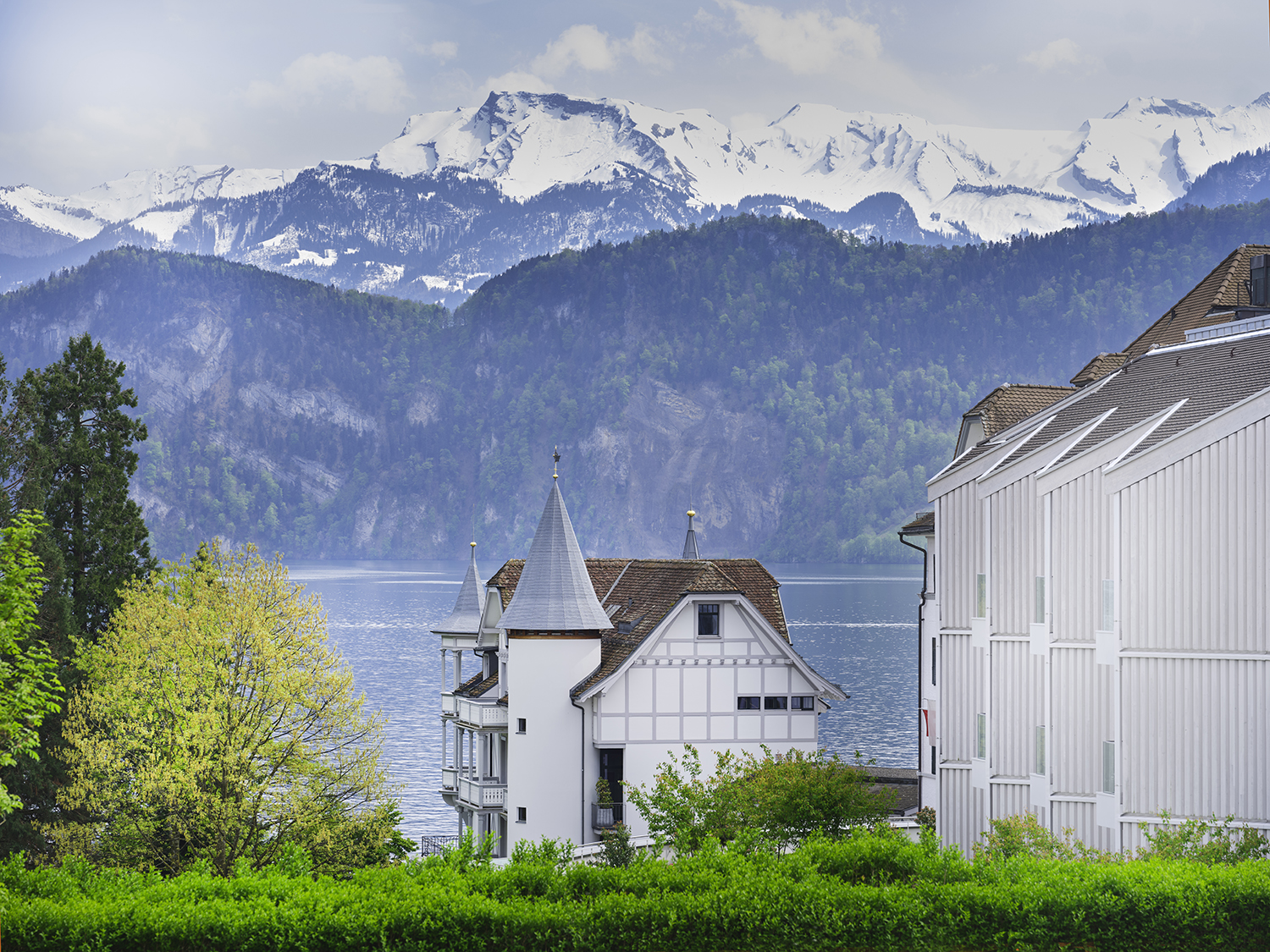
The hotel has direct acccess to the lake for wild swimming
• Revealed: The World’s 50 Best Spas
A light (yet filling) breakfast
On the upside, I’m ready for my fruit breakfast and barley coffee (not unpleasant). Caffeine and alcohol are banned on this vegan, limited-calorie diet, which is designed to help to control blood-sugar spikes. Part of that is to do with the manner and order in which we eat our meals (raw food for breakfast and lunch, cooked for dinner but with fruit and salads first to get you salivating and better digesting the main course). So I am delighted to find that thanks not only to the exquisite cuisine but the excellent servers — who, as individuals and a team, strive to support guests in getting the best out of their meagre intake — I am never hungry. They give extra broth for fasters, suggest which of the next day’s choices will be most filling and satisfying, and happily top up barley or chicory coffee on demand.
My fellow guests are divided as to whether it’s feast or famine. I overhear one questioning the waiter suspiciously on what is in the food because it is so filling, while others plead an official “allowance” for extra portions and wear it like a badge of honour. (Still others, legend has it, sneak off down the road to the local pizza place.)
• 14 best hotels in Switzerland
The science of sleep
The core Chenot Method is a terrifyingly efficient Swiss onslaught on your nervous system. Your genes, apparently, are like posh, demanding toddlers: they want routine. The stay is focused on the consistency of your circadian rhythms built on the QQRT mantra: quality, quantity, regularity and timing.
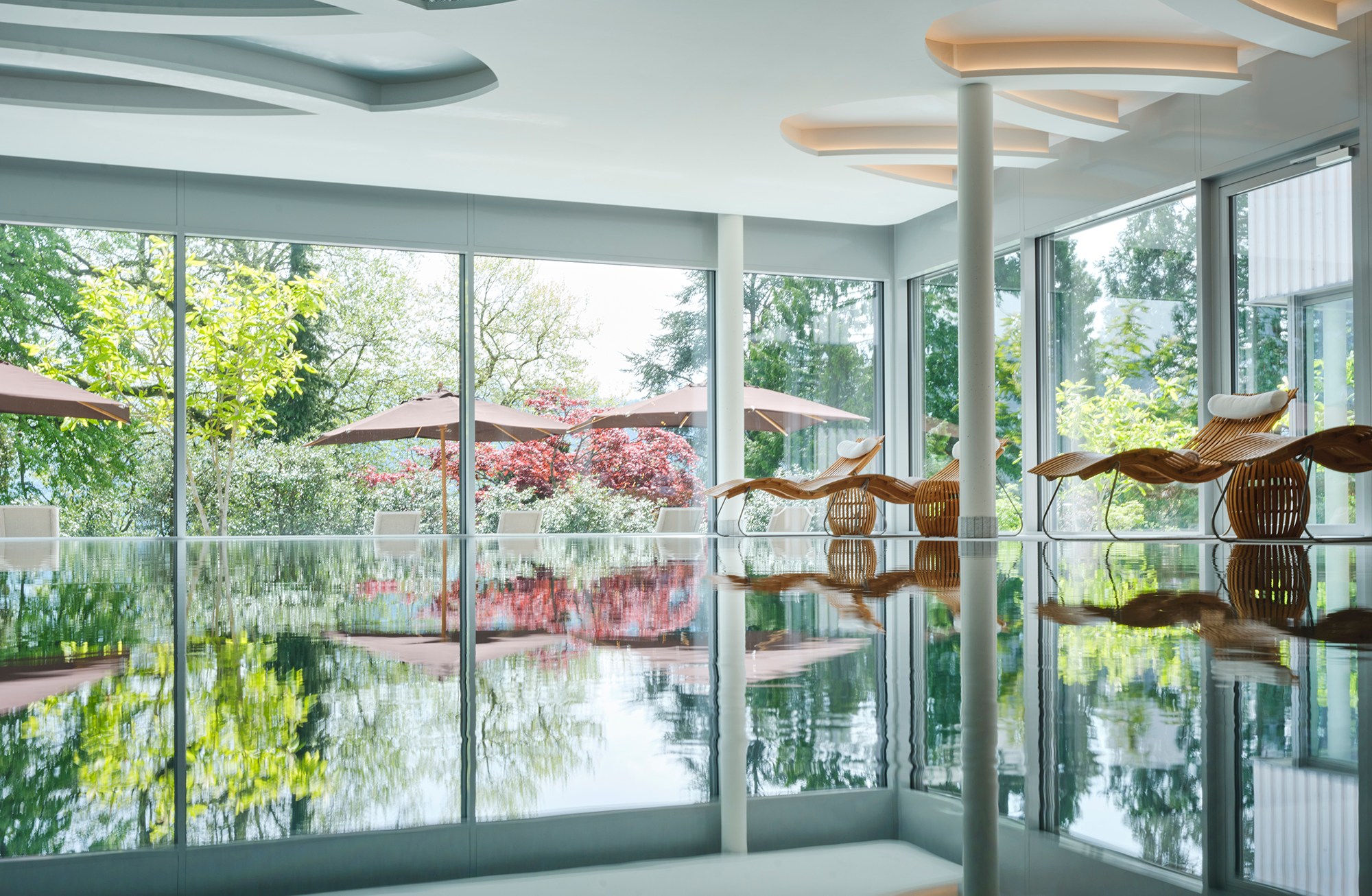
The hotel’s 21-metre indoor pool
The schedule is indulgently relentless. I start with cryotherapy — which is essentially standing in a freezer in a swimsuit — followed by a “hydro-detox” of a hydro-aromatherapy bath, after which I am encased in phyto mud, like a human burrito, and then hosed down with a jet, which feels like being powerwashed by an over-zealous car wash.
Things they don’t tell you: detoxing hurts in weird places. My head throbs, but so do my knees (apparently that’s my spleen being moody) and my glutes. So all hail, then, the daily regenerating massage, which is, quite frankly (and consistently), the best I’ve had.
Chenot lifestyle biomarkers and a molecular lab test look at your mRNA (messenger ribonucleic acid) to see which genes you’ve accidentally flicked on through a lifetime of stress and too many Haribos. Married couples often end up with the same genetic expressions because they share the same terrible routines. I text my husband: “We are literally morphing into each other’s bad habits.”
The contraption in which my whole-body photo-biomodulation is scheduled to take place looks like a glorified sunbed, but is actually emitting a red and near-infrared light that encourages my mitochondria (cell powerhouses) to produce more energy.
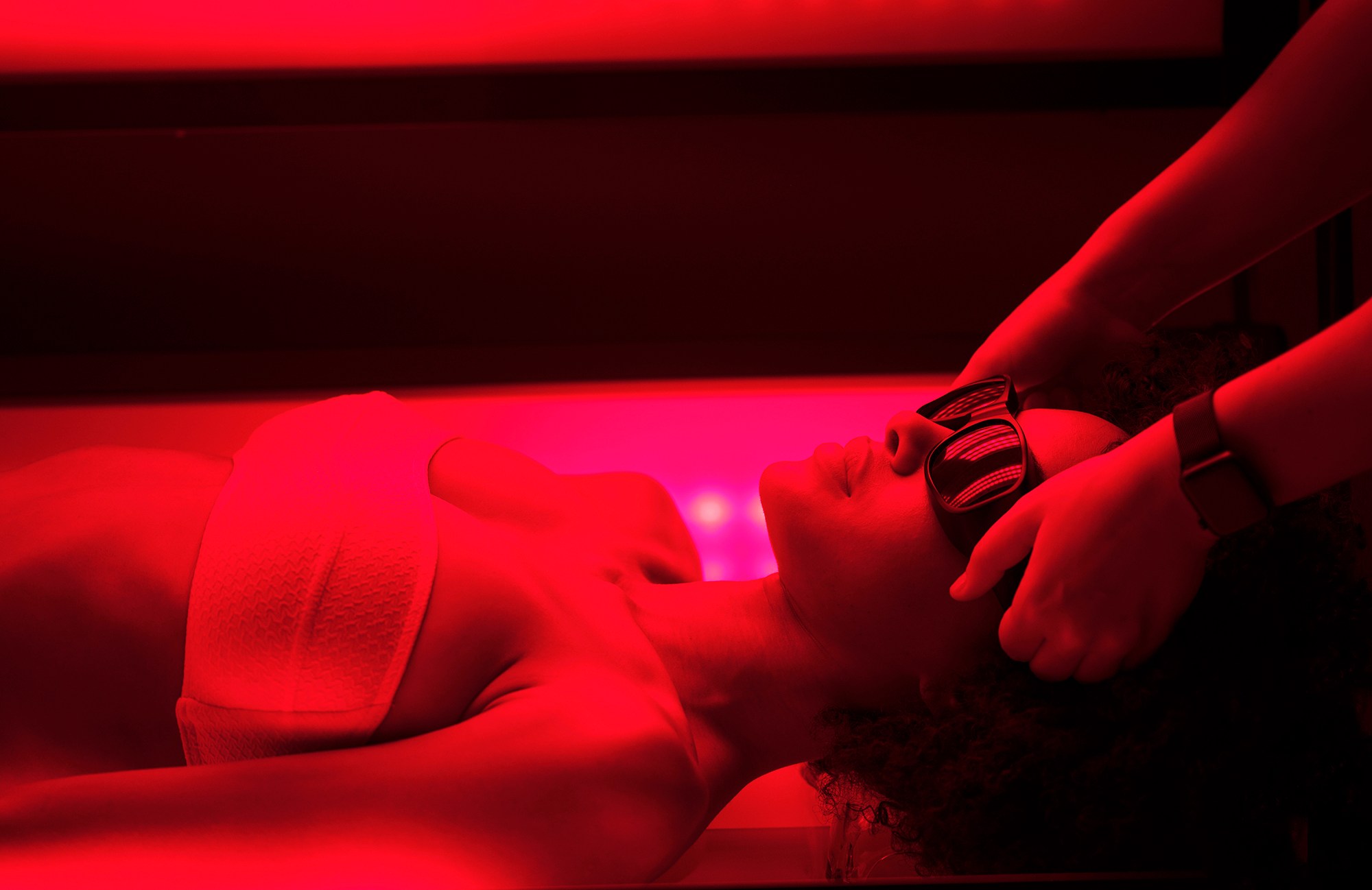
Photo-biomodulation encourages mitochondria to produce more energy
To finish, I’m plugged into neuro-acoustic deep relaxation. Informed by neuroscience, it aims to trick your brain out of “fight or flight” and into “I am calm and I am ready to sleep”.
And by day three, I do sleep, like I’ve been turned off at the mains. While the consultations for such a focused programme can feel a bit “detox-by-numbers”, the physical results are undeniable. I rarely wake in the night, even for nature’s call. While getting up in the morning is no easier — and for that I blame the insanely comfy bed — my eyes sparkle, my skin is clear and I leave feeling less like a frayed wire and more like a human being who may actually be able to work air conditioning without a breakdown. I’ve also lost 5kg (bonus).
I’ve since tried to keep up the good work, with lasting benefits to my rest and waistline. All I need now is someone to launder my nightie.
Claire Irvin was a guest of Chenot Palace Weggis, which has room-only doubles from £365 and seven nights’ full board from £7,429pp on the Recover & Energise Programme, including diagnostic tests, medical consultations, treatments and the Chenot diet (chenot.com). Fly to Zurich
First Appeared on
Source link






