


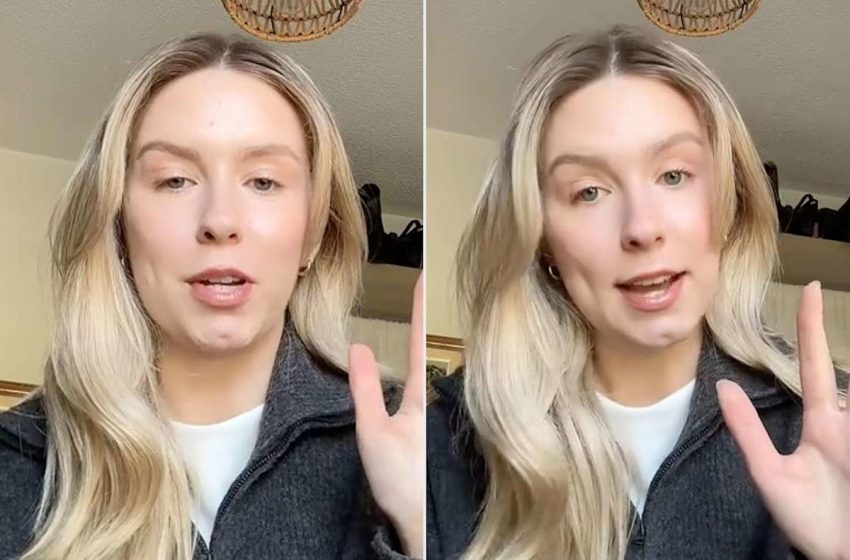
Woman Reveals the Symptoms Doctors Dismissed Before Her Near-Fatal Crohn’s Diagnosis (Exclusive)
paulasojoro/TikTok (2)
NEED TO KNOW
-
Paula Sojo’s viral TikTok recounts how her escalating symptoms were repeatedly dismissed before emergency surgery revealed a severe complication tied to Crohn’s disease
-
Sojo says she experienced warning signs for years, and believes earlier awareness could have changed the course of her health
-
Now stable and in remission, she uses her platform to share “red flags” and to empower others living with ostomies, including through her brand Osto•me Fashion
Paula Sojo was 18 when she looked down and saw a toilet bowl filled with blood. In that instant, she says, she knew something was terribly wrong.
“I just wish that they were better informed,” Sojo tells PEOPLE now, reflecting on the doctors she says saw pieces of her symptoms for years but never connected them. “Early detection matters.”
Her story recently went viral on TikTok after she shared a “Put a Finger Down” video, walking viewers through the months before she was diagnosed with Crohn’s disease. According to the Mayo Clinic, Chrohns is “a type of inflammatory bowel disease (IBD) that causes swelling and irritation of the tissues… in the digestive tract.”
In the clip that’s now amassed more than 32 million views, she recounts being told it was “probably just hemorrhoids” even as her pain intensified and her body weakened.
But the red flags, she says, began long before that moment. “My symptoms didn’t just start when I was 18,” she explains, adding that she had been “in and out of doctor’s appointments all my life.”
She describes chronic canker sores that spread through her mouth and down her throat, sometimes making it too painful to swallow water. “I’d go to my dentist… asking, like, what could this be?” she says, wishing someone had suggested seeing a gastrointestinal specialist.
When she turned 18, her health spiraled quickly. It was during COVID, and though college classes were online, she says she could barely get out of bed.
The fatigue was overwhelming, and joint pain in her hands became so severe that even texting hurt. Then her appetite disappeared, and the weight loss became drastic.
“I’m almost six feet, and I went down to almost 90 pounds,” she says. When she finally saw blood in the toilet bowl, she called her family doctor and asked to be seen immediately.
Instead, she recalls being prescribed hemorrhoid cream and told she was likely spending too much time on the toilet. “He’s like, get off your phone. Stop scrolling,” she says, remembering how dismissed she felt.
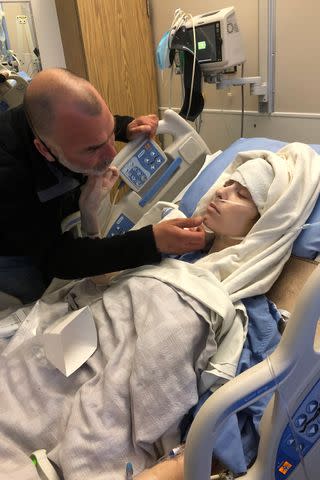
Paula Sojo
For weeks, she says, she used the cream while her symptoms worsened. She developed fevers and chills, and the pain became so severe she struggled to walk. “I was the one that said, ‘I need to go to the hospital,’ ” she recalls. Because of COVID restrictions, she says she went alone.
At the emergency room, she describes undergoing an exam and hearing the same conclusion. “Yep, they’re hemorrhoids,” she remembers the doctor saying before discharging her.
She says that the diagnosis was wrong, but the ER physician scheduled a colonoscopy “just to rule out the possibility of anything else.” Her mother persistently called for cancellations, and Sojo was eventually seen sooner.
By the time she arrived for the procedure, she says she was running a 41-degree Celsius fever and sobbing in pain. “I didn’t know what was wrong with me, but I knew that it was something bad,” she says.
After the colonoscopy, she woke up to life-altering news. “He said, you’re being admitted for surgery,” she recalls.
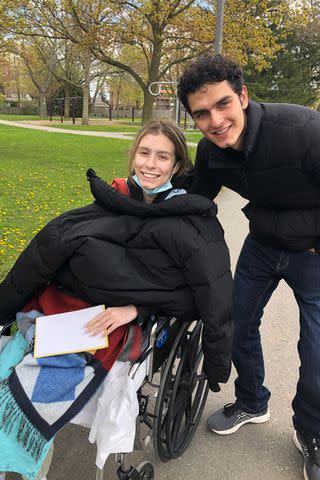
Paula Sojo
That admission marked the beginning of what she describes as a six-month hospital stay filled with repeated surgeries. She developed abscesses and fistulas that allowed bacteria into her bloodstream, causing sepsis.
“I’d go septic, literally almost killing me every single time,” she says. Doctors eventually performed a temporary ileostomy to try to stop the cycle.
At 18, she says, the physical pain was immense, but the emotional toll was just as heavy. “When you’re 18, like self-confidence is everything,” she says.
She grieved the loss of her health, her independence and the college experience she had imagined. She says friendships shifted while she was hospitalized, and her boyfriend of three years broke up with her after her ileostomy surgery.
“I was grieving everything,” she says. She also struggled to recognize her body after significant weight loss and the addition of a medical device.
After trying multiple medications without success, Sojo ultimately underwent a proctocolectomy, removing her rectum, anus and colon and making her ostomy permanent. The healing process, she says, was long and painful.
Still, the surgery brought stability. Her Crohn’s has since stabilized, and she says she has not had another flare.
Over time, her grief transformed into clarity. “My energy is precious,” she says, explaining that chronic illness taught her that “your energy becomes currency and you have to treat it as such.”
That shift in mindset eventually led to something she never expected. Years after her surgeries, Sojo began thinking about the way ostomy products looked and felt when she was first adjusting to life with one.
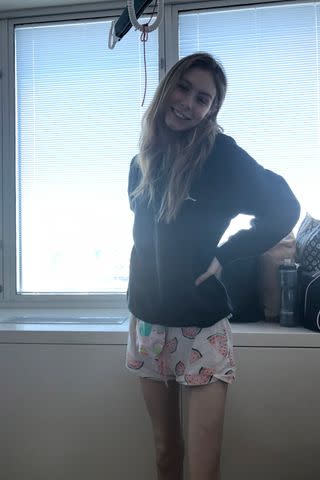
Paula Sojo
Never miss a story — sign up for PEOPLE’s free daily newsletter to stay up-to-date on the best of what PEOPLE has to offer, from celebrity news to compelling human interest stories.
Following her diagnosis, she and her family launched Osto•me Fashion, designing stylish ostomy covers to help others feel confident rather than clinical. She says the brand has made “an incredible impact worldwide” since its launch.
Living with an ostomy, she emphasizes, is not the end of the story. Through social media and her business, she works to destigmatize ostomies and raise awareness about Crohn’s disease. “If somebody had just caught it early on,” she says, “things would have never gone that bad.” Now, she hopes sharing her experience helps others recognize red flags and push for answers.
Resilience, she adds, is not about pretending everything is fine. “Resilience is just like getting up every single day and at least trying,” she says.
On hard days, she explains, that might simply mean brushing your teeth or taking a shower. “If you have the ability… to just be like, no, I don’t care if tomorrow’s hard. I’m just going to try,” she says, “that’s badass.”
Read the original article on People
First Appeared on
Source link






