


New spooky species discovered in California’s sand dunes
Scientists have discovered a new species of spider hiding in plain sight in coastal California’s sand dunes.
The arachnologists from UC Davis published their find this month in the journal Ecology and Evolution, documenting how one species of coastal spider found from Monterey to Baja California, Mexico, turned out to be two.
The new spider, dubbed Aptostichus ramirezae, is coastal California’s fourth trapdoor species — known for crawling out of their silk, underground burrows in the sand only to catch prey that comes close. The brown arachnids are the size of a quarter.
“While there are over 50,000 species of spiders worldwide, there are probably hundreds of thousands left to be discovered, even along the coast where new spider species may be hiding just underfoot of California beachgoers,” Jason Bond, a professor in the UC Davis Department of Entomology and Nematology and the study’s senior author, said in a statement.
To identify the new spider, the UC Davis team first looked at the genomic DNA, morphology and distribution of Aptostichus simus — the previously known trapdoor spider in California. Sure enough, the team determined it was a so-called “cryptic” species, or one of two species that look the same but differ genetically.
“This study will inform future efforts to re-evaluate species boundaries in taxa that may be harboring cryptic diversity,” the researchers wrote.
Bond named the new spider species Aptostichus ramirezae after Martina Giselle Ramirez, a well-known arachnologist who pioneered trapdoor spider population genetic research. Ramirez is now the college of science dean at California State University Stanislaus.
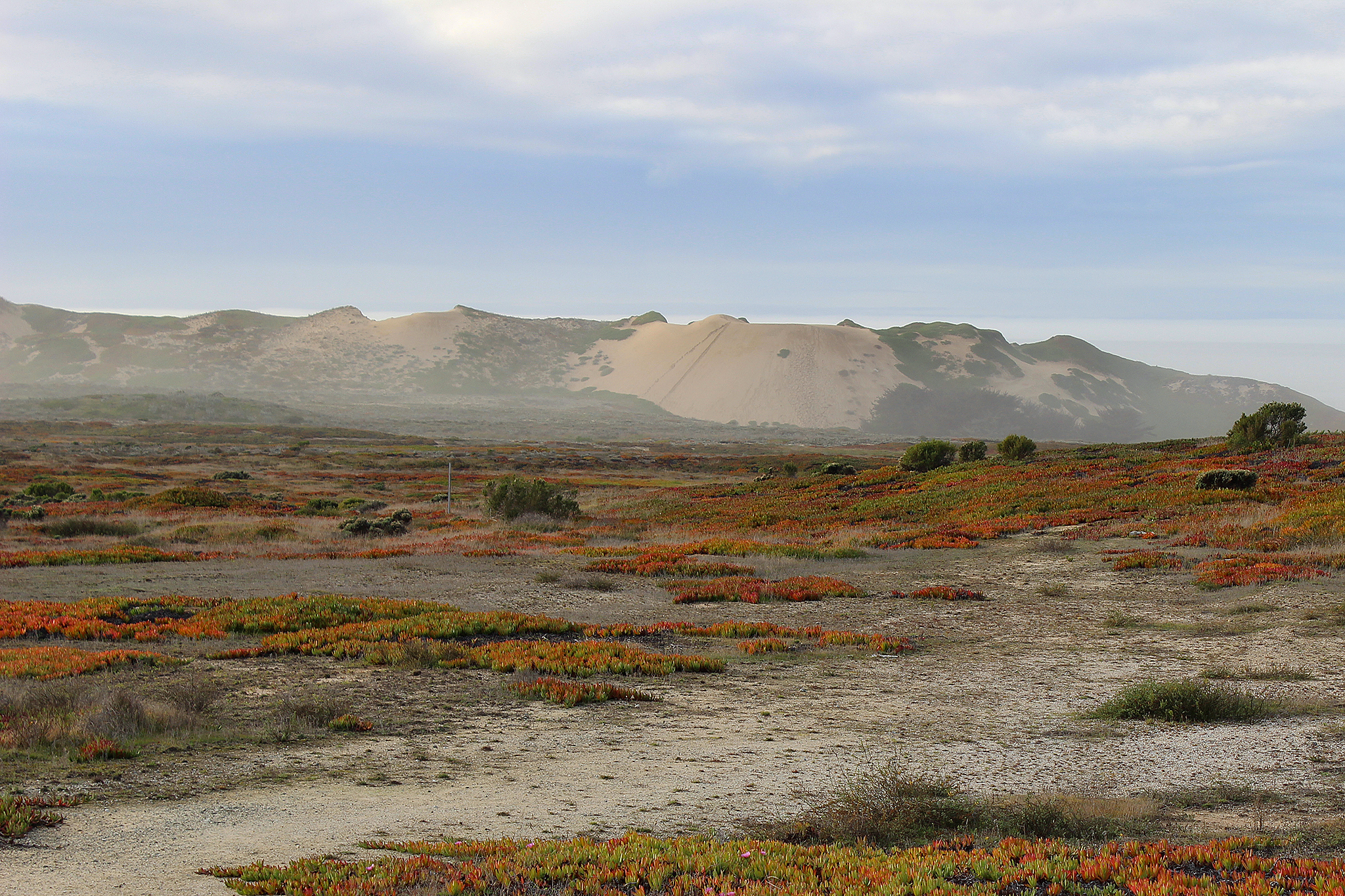
Both the newly found Aptostichus ramirezae and its relative Aptostichus simus are thought to live only in the dunes from Central California to northern Baja California — wild habitats vulnerable to sea-level rise and other hazards like development. The newest species, more widespread in that range, may be less at risk.
Parsing the genetic differences between these spiders aids scientists in identifying which populations need safeguards, according to Emma Jochim, one of the authors and a doctoral student in the UC Davis Department of Entomology and Nematology.
“If we don’t know how many species are in an area or understand the patterns of genetic diversity between populations, we don’t really know what areas would be most important for conservation efforts,” Jochim said.
First Appeared on
Source link






